Fate of MS Coast city’s pristine resort-style amenities is uncertain. Here’s why

Diamondhead, a resort-style city long home to some of the Mississippi Coast’s most pristine parks and golf courses, is confronting an entirely new dilemma.
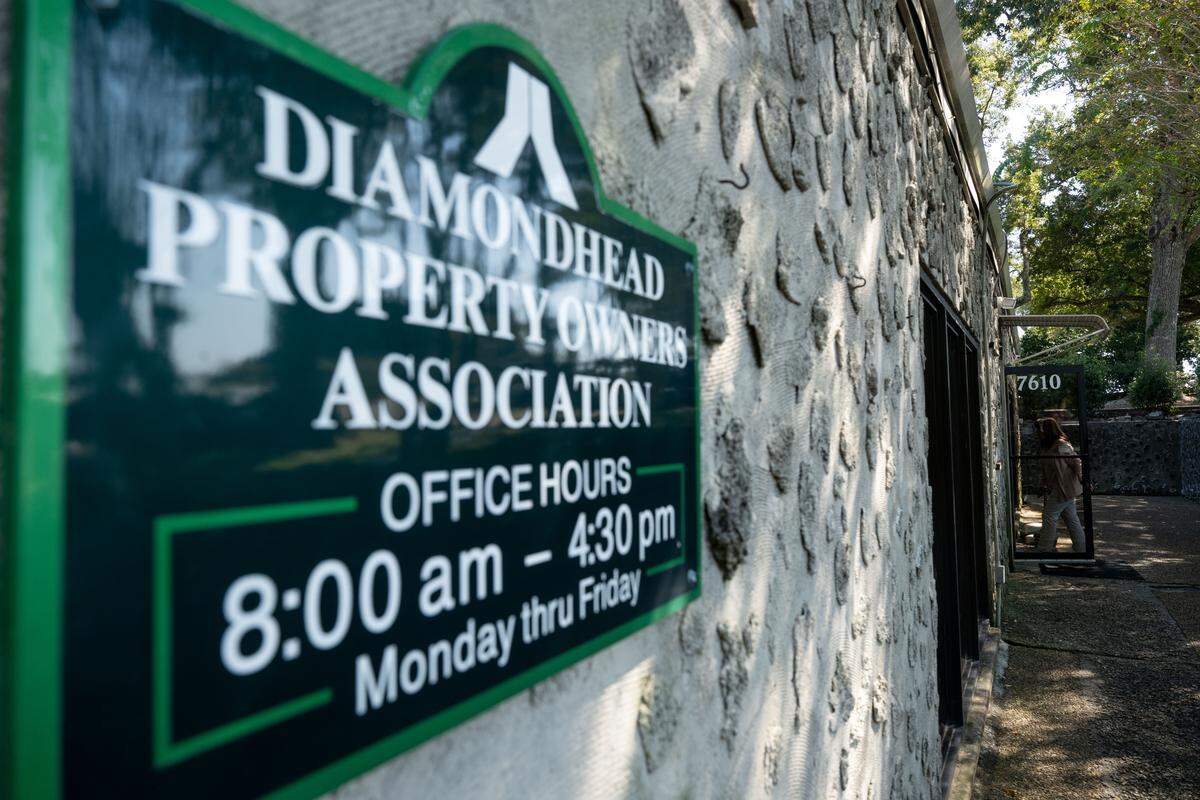
For five decades, the Diamondhead Property Owners Association was so influential that nearly everyone in the city was a member and had to pay dues.
Now, a recent court ruling is reversing those fortunes.
Membership is dropping. Costs are rising. And some locals are raising new questions about the association’s future.
The challenges are the latest sign of political tension in the city, where the POA’s authority is unique. For years, residents’ dues supported the organization’s rolling fairways, country club and other landmark local amenities.
But the POA had a problem: Many of the covenants that required property owners to pay dues began expiring in 2020. Last year, after a decisive lawsuit brought by residents, the POA conceded it could no longer demand money from members whose covenants had expired.
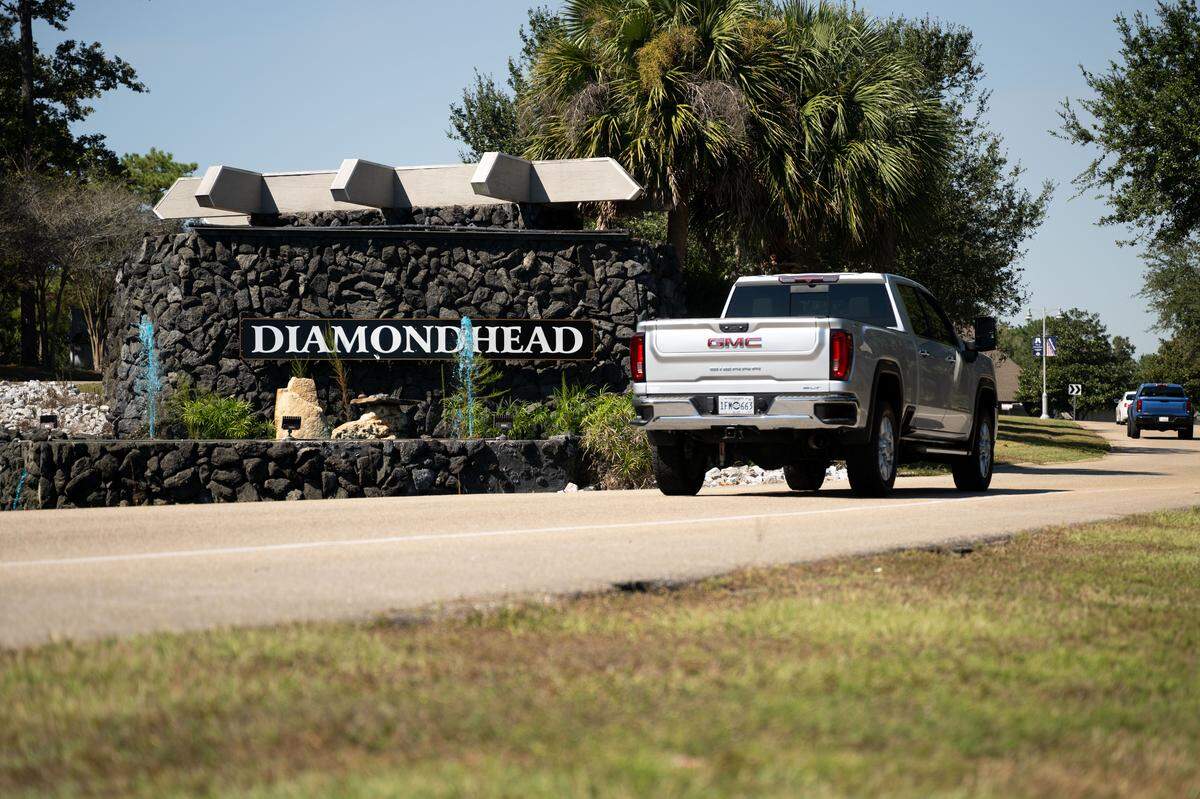
Now the POA is trying to survive the financial blow and assess its future. General Manager Rick Goldstein said about 4,700 covenants have expired in the last five years, which has dropped POA revenues by roughly $1.5 million.
If nothing changes, the organization could also face a new $260,000 tax bill next year.
To cope, POA leaders are raising dues for remaining members and debating whether to sell or transfer some properties, including an airport and community center.
“We’re just doing what we can do to figure out how to survive,” Nancy Sislow, president of the POA’s Board of Directors, said.
The Board is expected to decide the fate of the amenities at its meeting on Monday.
The city has offered to take over several POA properties, including the community center, airport and a few green spaces. City leaders do not want to pay for the properties because they argue residents’ dues have already funded them.
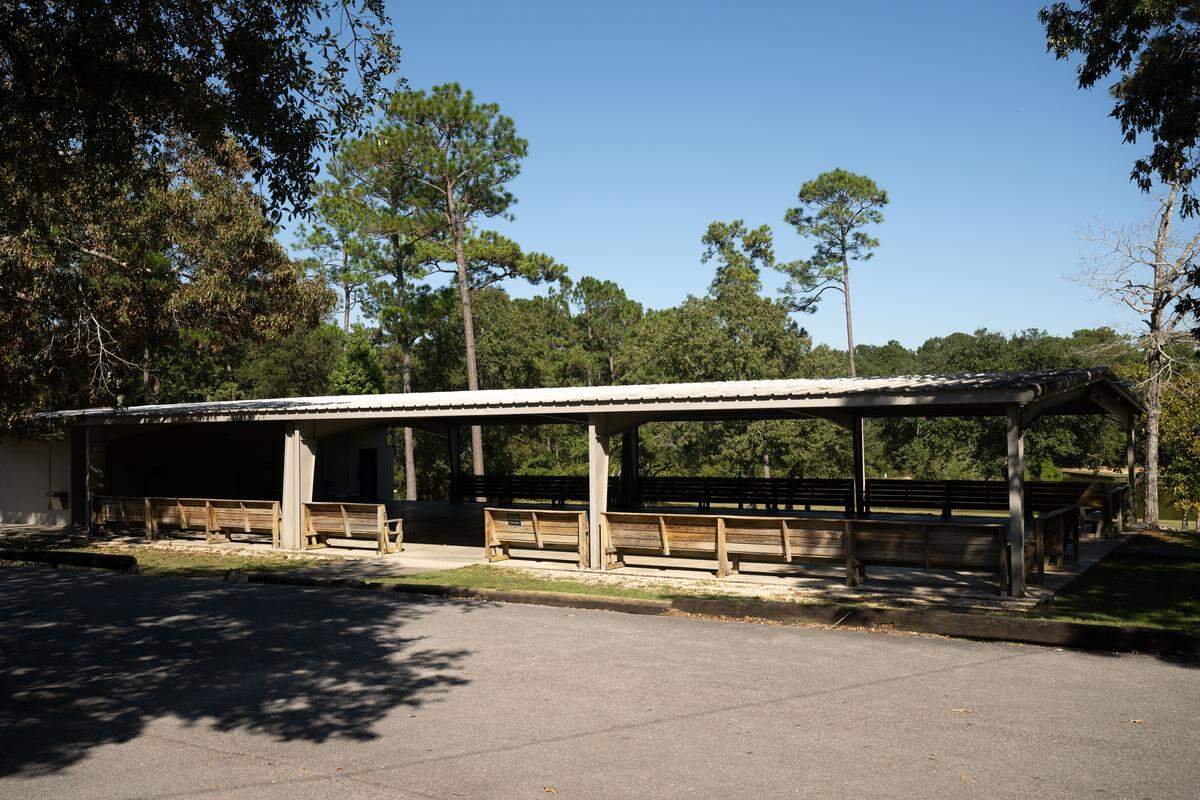
Some members of the POA’s Board of Directors have disagreed, arguing that the organization should not give away assets for free. But city leaders are also advocating against selling the properties to outside buyers, in an effort to preserve the community.
“The city would like nothing more than the POA to thrive,” Diamondhead Mayor Anna Liese said. “But since it’s struggling, we feel like it’s our role to help maintain our citizens’ way of life and keep everyone’s property values as high as possible.”
Diamondhead POA confronts challenges
The issue has been looming for years.
The POA knew many covenants would expire in 2020, but could not extend them without the consent of 85 percent of the community’s property owners. Leaders considered several fixes and ultimately rewrote the POA’s bylaws in an attempt to require that property owners pay dues.
A group of residents challenged the move in court, and a judge ruled in their favor last year.
Sislow said that most POA members who responded to recent surveys thought transferring some amenities to the city was appropriate but wanted to retain the pools, golf courses and country club. She also suggested another option: The POA could become more like a traditional country club that collects membership fees to maintain fairways and other benefits.
“We’ve got to do something,” she said. “We can’t just stop and let it all rot.”
About 1,200 properties in Diamondhead are bound by permanent covenants, which means they must continue paying dues.
Reactions across the city have been mixed. Some residents are upset that dues are increasing and others say the rate is still far below similar developments around the country. Some have grumbled about the POA’s attempts to get residents to keep paying for a list of amenities that is likely to shrink soon. Others think the POA’s benefits are valuable and worth protecting.
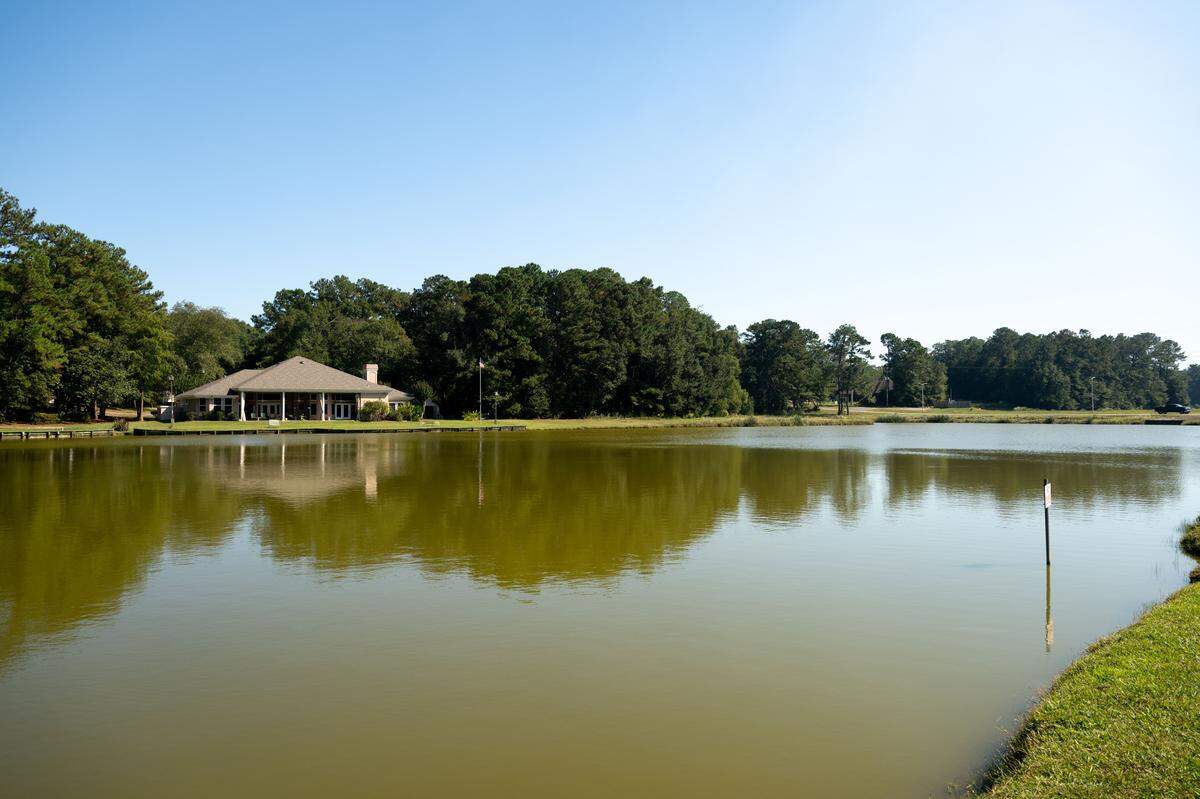
Hancock County Tax Assessor Jimmie Ladner said the POA is facing the new $260,000 tax bill because the POA no longer requires all residents to pay dues. That means POA amenities are no longer included in the value of each resident’s property, and the amenities must be taxed individually.
Getting rid of some properties could lighten the burden, but it is still unclear what POA leaders will decide to do.
Diamondhead City Manager Jon McCraw said transferring some amenities to the city would not be unprecedented. Since the city was established in 2012, it has gained authority over roads, drainage and other responsibilities that used to fall to the POA.
City leaders said this week they could accept the amenities without raising taxes.
The POA is “a great organization that has built a great community here,” McCraw said. “But if people aren’t going to pay, it’s hard to make them.”