
Coast LGBT leaders: Blood ban easement still limiting, discriminatory
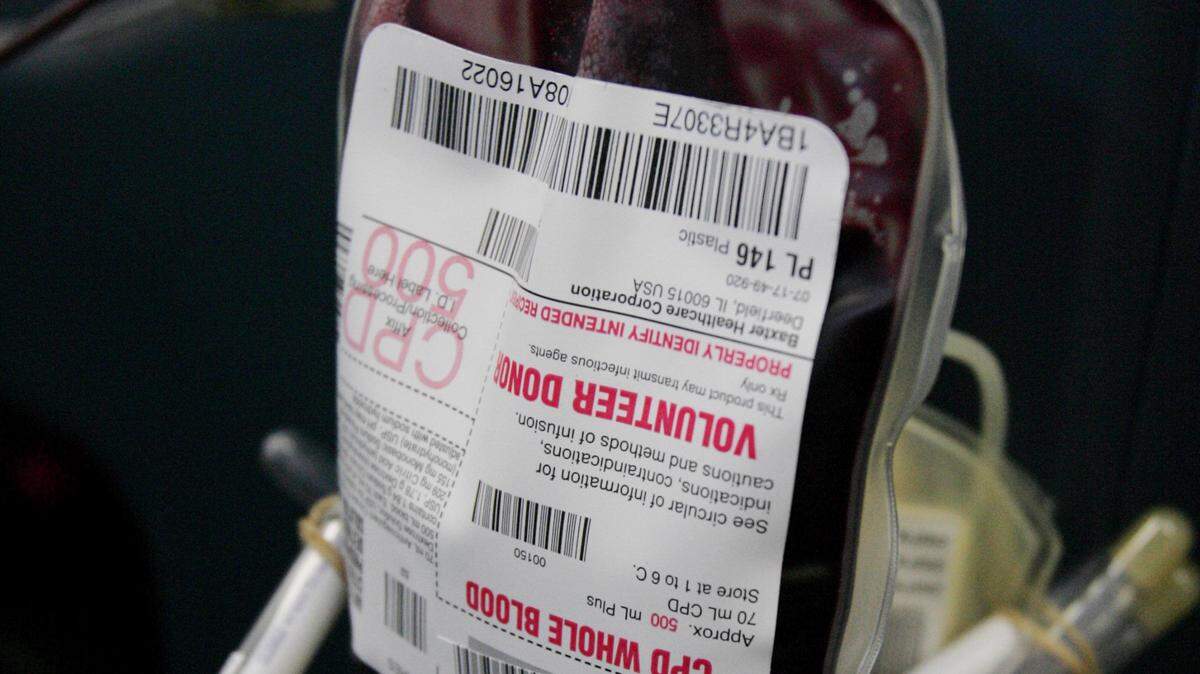
For the first time in more than three decades, gay men will be able to donate blood -- but only if the donor hasn't had sexual intercourse for one year.
The Food and Drug Administration announced the ease on the restriction Monday. The original 32-year ban forbade gay and bisexual men who engaged in sexual intercourse with other men from donating blood. The new restriction only applies to gay men who have sex with other men within a year time period.
But local LGBT community leaders say the rules are still limiting and discriminatory.
"I think it's too little too late," said Molly Kester, co-president of Mississippi Gulf Coast Rainbow Center, a community organization that supports South Mississippi's LGBT community. "They're trying to back up on the discrimination that they threw up there so quickly by judging all gay men by the acts of a few."
Adair Beany, co-president of Mississippi Gulf Coast Rainbow Center, said the ban "perpetuates a stigma against HIV infection" among gay men because all of the blood received is screened for HIV, as well as other sexually transmitted diseases.
"It was predicated on the fear that men who have sex are dangerous," he said.
In 2006 the Red Cross, the American Association of Blood Banks, and America's Blood Centers called the ban "medically and scientifically unwarranted."
The FDA concluded that moving to a one-year abstinence requirement would not change the safety of the U.S. blood supply, based on data from Australia and other sources.
"It's a discriminatory practice that's been long overdue for change," Beany said.
Kester and Beany agree that the FDA's decision is a step in the right direction when it should have been a leap.
For example, legally married gay couples still can't give blood if they engage in sexual intercourse.
"What about gay men who are married -- who are in a monogamous relationship? They (FDA) are not really doing anything that makes a difference," Kester said.
Kester, a trans woman, donated blood up to six times a year until four years ago when she started her gender transition. If given the chance, she said she would have no problem donating blood again.
"It's silly. It's not getting more blood into the system," she said. "Here's a body of people who are willing to donate, but they're not willing to even think about taking their blood."
John McFarland, executive director of the Southeast Chapter of the American Red Cross, said 8.005 units of blood were donated by South Mississippians from January to November, cycling through Red Cross locations in Gulfport or Pascagoula.
But that number could be higher.
"I know plenty of people in the LGBT community who would be willing to donate blood if they would just lift the restrictions," Kester said.
Beany said allowing all gay men to donate blood could aid in research at the Center for Disease Control.
"In my personal opinion, the FDA's paranoia over men having sex with men is a missed chance to work with the CDC in screening potential same-sex loving couple blood donors in the ongoing fight against ending HIV and AIDS," he said.
The Associated Press contributed to this report.
This story was originally published December 21, 2015 at 3:38 PM.