If a venomous snake bites you in MS and you have no cell service, here’s what to do
If you’re hiking in an area of Mississippi without cell service and get bitten by a snake, it’s important to have a plan of action for getting care.
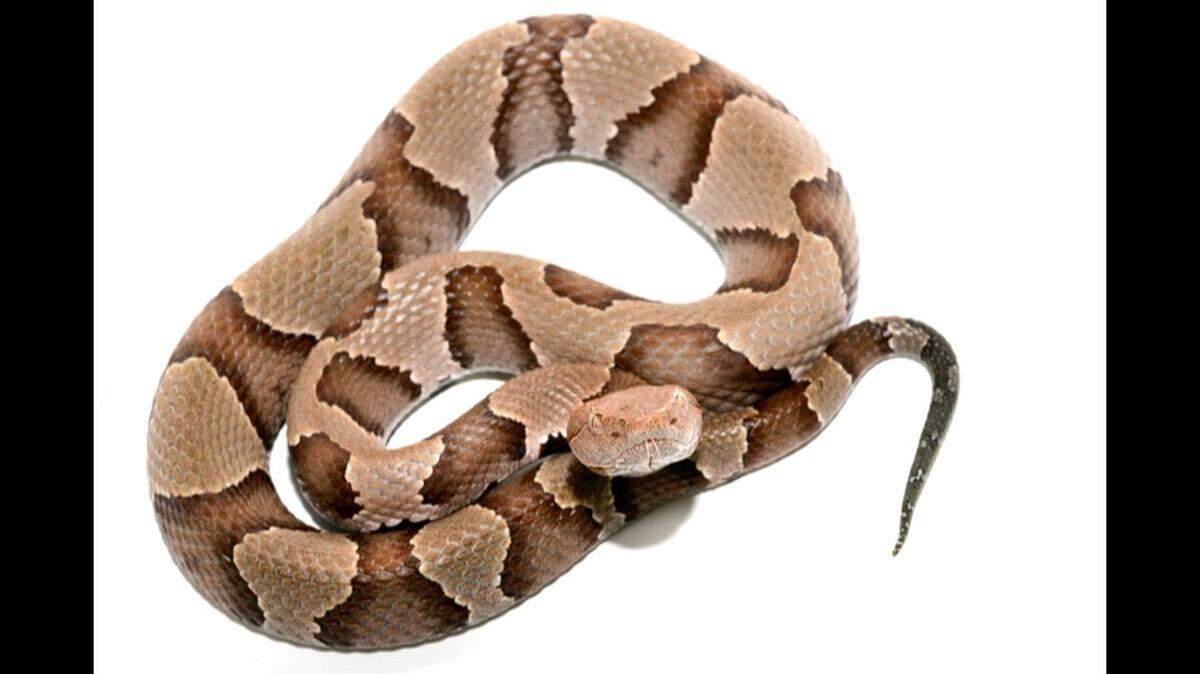
The Magnolia State is home to six venomous snakes: the Eastern Coral snake, the Eastern diamondback rattlesnake, the timber rattlesnake, the pygmy rattlesnake, the copperhead and the cottonmouth, according to the Mississippi State University Extension.
According to experts, your first step should be to verify if the snake that bit you was venomous or not, then follow these steps:
What to do after a snake bite
If you’re bitten by a venomous snake, it’s possible venom wasn’t transported, but it’s still recommended to have all bites checked out by a health care professional, according to the Mississippi Poison Control Center.
Here’s what to do if you don’t have cell service and you’re bitten by a snake, according to experts:
- Stay calm
- Put pressure on the affected extremity
- Get to the nearest emergency department or health care facility
As soon as you are in an area with cell service, you should call 911 if you experience “shortness of breath, chest pain, confusion or loss of consciousness,” experts said.
What not to do after a snake bite
- Freak out
- Put ice on it
- Use a tourniquet
- Cut the wound
- Try to suck out the venom
How to tell if it’s a venomous snake
A majority of Mississippi’s venomous snakes are in the pit viper group, recognized by the following characteristics, according to experts:
- Pits or small depressions on the side of its face
- Triangular head, slim neck and a heavy, flattened body
- Vertical “cat-like” pupils
- A single row of scales on the underside of the tail
One of the state’s venomous snakes, the Eastern Coral snake, looks different from the pit viper group and stands out for these features:
- Rounded head
- Indistinct neck
- Round pupils
- Smooth scales
- Hose-shaped body