If you see a turtle on the road in MS should you help? Here’s what experts say to do
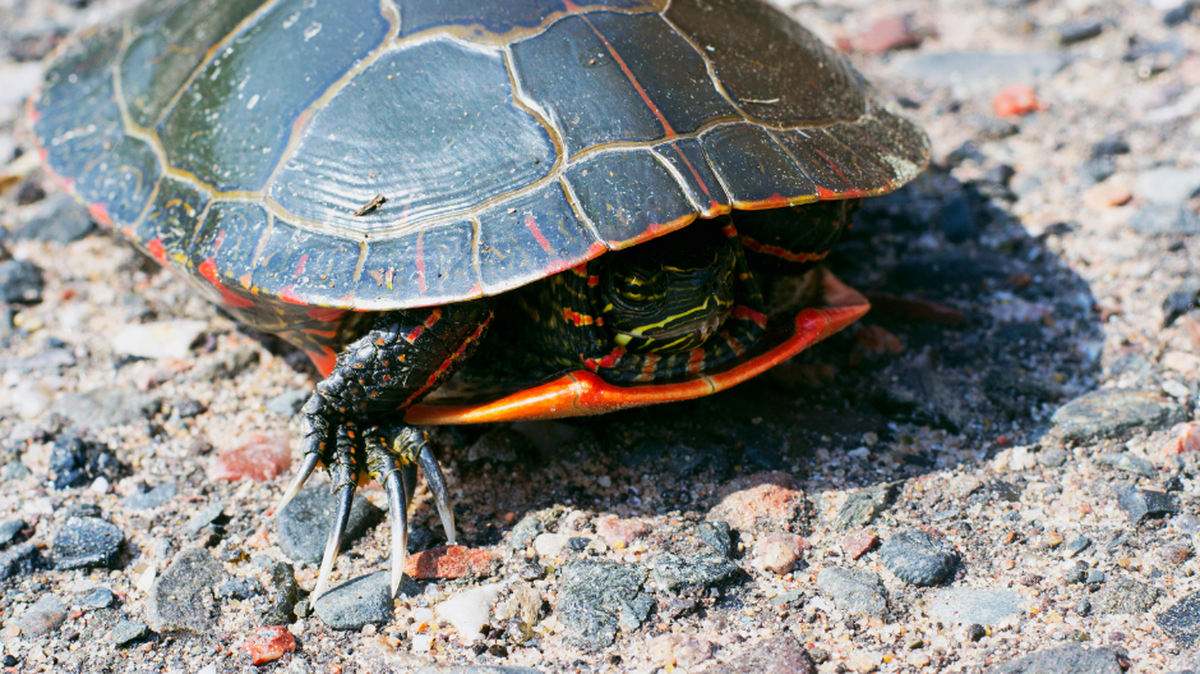
With warmer weather here to stay, Mississippi drivers may see more turtles trying to cross the road — especially after summer rain.
Spring through October is peak turtle-crossing season in the Magnolia State as the reptiles seek fields and yards to lay their eggs, experts at the Mississippi Museum of Natural Science said in a Facebook post.
But should you stop and help a turtle if you see it crossing the road? Here’s what wildlife experts said.
What to do if you see a turtle crossing the road in MS
If you want to help a turtle get out of the road in Mississippi, here are some tips to do so safely, according to the U.S. Fish & Wildlife Service:
- Keep your own safety in mind. If you’re pulling over to help, watch out for oncoming traffic and use proper signals before helping the turtle
- Be careful when moving the turtle as it could be injured or try to bite you. Sometimes it’s best to guard it as it crosses the road on its own
- If you need to move the turtle, move it in the same direction it was going
- If possible, take a photo and report sightings to Herp Mapper to help track the movements of these reptiles
What not to do if you see a turtle crossing the road in MS
Here’s what you shouldn’t do while helping a turtle cross the road in Mississippi, according to the U.S. Fish & Wildlife Service:
- Don’t risk your own safety or the safety of other drivers on the road
- Don’t move the turtle in the opposite direction of where it was going
- Don’t pick it up by the tail as this could seriously injure the turtle
- Don’t take it with you
Other tips for wildlife on the road
Most car crashes involving wildlife happen during the fall and winter, but it’s important to be vigilant anytime you’re on the road, according to the American Automobile Association.
Follow these tips from AAA to avoid animal-vehicle collisions:
- Scan the road and shoulders ahead of you
- Remember that some animals move in groups, so if you see one there may be more in nearby
- Use high-beam headlights if there’s no oncoming traffic
- If a collision is unavoidable, don’t swerve. Brake firmly and stay in your lane
- Be extra cautious at dawn and dusk
- Slow down when driving through areas with a high and active wildlife population
- Always wear a seat belt and remain awake, alert and sober if you’re driving