What is a high tide cycle? What to know as coastal flooding threatens South MS
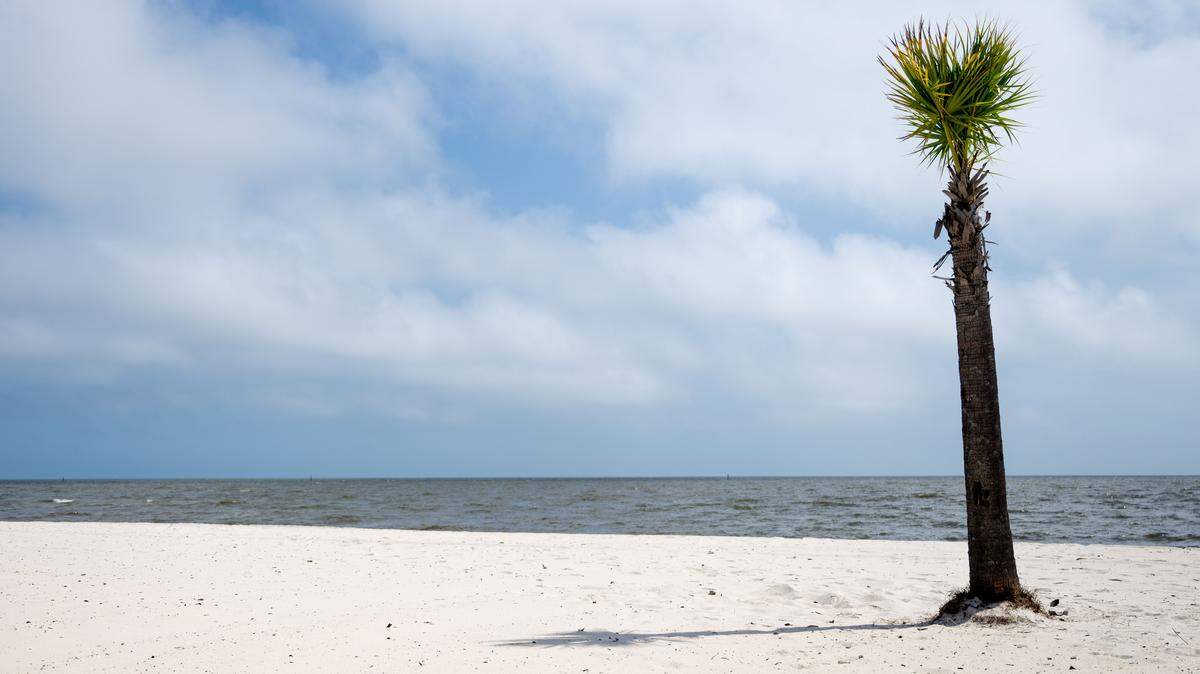
Flooding is forecast for the Mississippi Coast as relative sea levels rise with the tide, weather experts said.
“Early heads up! Strong easterly winds building this week will likely lead to coastal flooding during high tide cycles,” the National Weather Service New Orleans said in an April 5 post on X, formerly known as Twitter.
But how do the tides affect flooding? Here’s what to know about tide cycles in Mississippi.
What are tide cycles? How do they impact flooding?
If you’ve ever had to move your beach tent back to prevent it from getting washed away after the water seemed further from you all morning, you’ve likely experienced the tides changing.
One of the “most reliable phenomena” on earth, tides describe the rise and fall of ocean waters along the shores, according to the National Oceanic and Atmospheric Administration.
While most coastal areas experience two high tides and two low tides each day, the Mississippi Coast — along with other areas of the Gulf of Mexico — is unique in that it only has one high and one low tide each day, experts said.
Occasionally, high tides can lead to flooding when combined with local factors, such as changes in prevailing winds, according to experts. This can happen even on sunny days.
There are three levels of high tide flooding, including the following, according to the NOAA:
- Minor: water levels reach about 1.8 feet above average high tide
- Moderate: water levels reach about 2.8 feet above average high tide
- Major: water levels reach 3.9 feet above average high tide and could lead to evacuations
What causes tides?
Tides are caused by the gravitational pull of the sun and moon on the earth’s oceans, according to the NOAA.
Both the relationship between the masses of the Earth, moon and sun and their distances impact the Earth’s tides, experts said.
What’s the tide forecast for MS Coast?
Forecasters are predicting some coastal flooding starting April 7 and lasting through the end of the week, according to the NWS New Orleans.
The highest tides are expected April 8 and 9 with waves up to 12 feet on the outer Gulf, caused by strong Easterly winds, experts said.
To local tide forecasts daily, use the NOAA’s Tides & Currents tool here.