‘Invasive and delicious.’ The US Fish and Wildlife Service wants you to eat this MS rodent
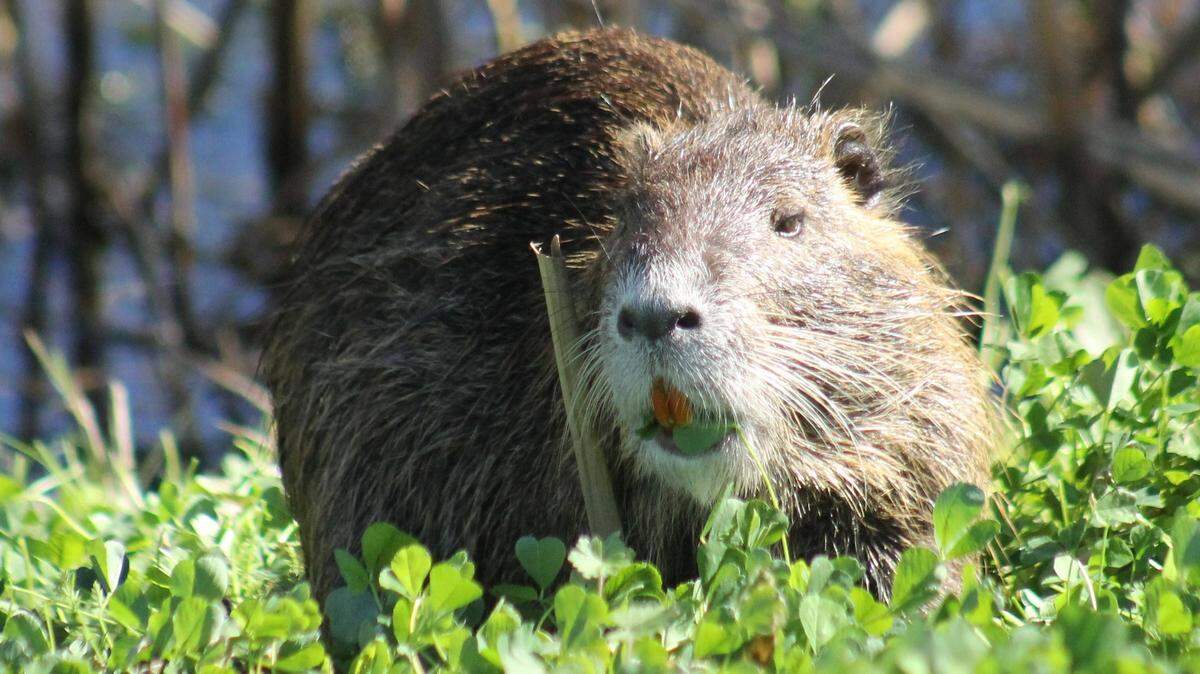
Nutria are large, semi-aquatic rodents with thick brown fur and webbed feet that can be hunted year-round in Mississippi, and according to the United States Fish and Wildlife service — they’re delicious too.
The U.S. Fish and Wildlife Service began a campaign in 2025 to encourage residents to eat nutria and other invasive species.
“If your state has nutria, check your local regulations to see the rules for how to hunt, capture, and then ultimately, cook these nuisance critters,” the U.S. Fish and Wildlife Service said in a February 2025 post on Facebook.
Here’s what to know about hunting and eating nutria in Mississippi.
Why do officials want you to eat invasive species?
The U.S. Fish and Wildlife Service is encouraging residents to hunt, trap and eat certain invasive species found in Mississippi, including nutria, as a way to protect native wildlife they threaten.
Nutria were originally brought to the U.S. for their fur but started escaping in the 1940s, according to the agency.
“Their nonstop munching and burrowing destroy the plants that keep marshes stable, leading to erosion, loss of habitat, and wetlands that look like something out of a disaster movie,” experts said.
Other invasive species the U.S. Fish and Wildlife Service encourages residents to eat are the following:
- Northern Snakehead, invasive in Mid-Atlantic and Southeastern U.S. waterways
- Green Iguana, invasive in Florida and other warm states
- Silver Carp, invasive in the Midwest and Southeast rivers and lakes
- Feral hogs or wild boar, invasive in Southeastern U.S., Texas, California and more
Is eating wild nutria safe?
Eating wild nutria can pose serious health risks if prepared incorrectly, according to experts.
“Before you sauté, make sure you are prepared and informed,” U.S. Fish and Wildlife Service experts said. “Know the proper techniques for capturing and handling the species and any potential health risks. Some species may carry poisons, diseases, or dangerous chemicals that can harm people.”
Nutria can often be mistaken for beavers or muskrats, so it’s important to make sure you have a nutria before hunting or eating it.
How to identify nutria
Here are tips for identifying nutria, according to the Virginia Tech Conservation Management Institute:
- Body is larger than muskrats and smaller than beaver, weighing up to 20 pounds and being up to three feet in length
- Found in or near water
- Has a long, round and finely haired tail
- Has orange colored teeth
- Webbed first three toes of the hind foot
- Scat is two to three inches long and floats
What are MS state regulations for hunting nutria?
Anyone hunting or trapping nutria and other nuisance animals in Mississippi has to have a valid license to do so, according to the Mississippi Wildlife, Fisheries, & Park. Here are other requirements and restrictions:
- Can be hunted with the help of electronic calls
- People hunting during any open gun season on dear must wear 500 square inches of solid unbroken hunter orange unless hunting from a fully enclosed stand
- Can not be hunted with dogs during open spring turkey season