Daylight savings is happening in MS soon and may make you sick. Here’s how to prepare yourself
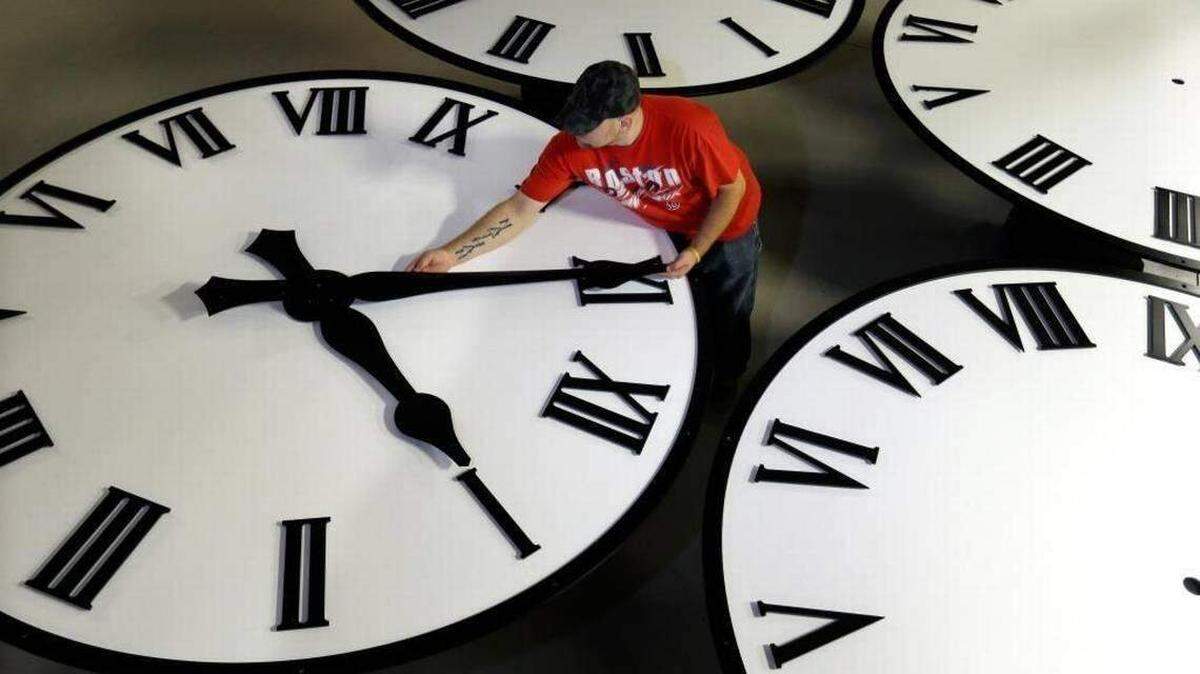
Daylight saving time will soon extend evening sunlight in Mississippi, but the lost hour of sleep can take a toll on the body and pose health risks, according to experts.
Luckily, there are certain steps residents can take to ease the transition and reduce the shock of waking up an hour earlier.
Here’s what you can do to stay healthy as daylight saving time draws near.
When is daylight saving time?
This year, daylight saving time begins at 2 a.m., Sunday, March 8, according to timeanddate.com. This means Mississippians will turn their clocks forward one hour.
What is daylight saving time?
Daylight saving time is the biannual tradition of setting clocks forward one hour in the spring and back one hour in the fall. The tradition was formally adopted during World War I as an attempt at energy conservation, according to the Johns Hopkins Bloomberg School of Public Health.
Can daylight saving time impact your health?
Yes, changing clocks biannually disrupts circadian rhythms and can lead to higher rates of stroke and obesity, a September study by researchers at Stanford University found.
“We found that staying in standard time or staying in daylight saving time is definitely better than switching twice a year,” Jamie Zeitzer, PhD, professor of psychiatry and behavioral sciences at Stanford University told the school’s medicine journal.
The time change can also lead to a lack of sleep, which can cause the following, according to Johns Hopkins Medicine:
- Developing dementia
- Heart disease
- Type 2 diabetes
- Obesity
- Cancer
- Lack of ability to perform daily tasks
How can you prepare for daylight saving time?
Here are some tips to help you prepare for the time switch, according to Harvard Health Publishing:
- Alter your bedtime about three days before the time change, waking up 10 to 15 minutes earlier than usual the first night, 20 to 30 minutes before the next night and 30 to 45 minutes on the third night.
- Take afternoon naps for about 20 to 30 minutes.
- Get more light, especially during the first week.
- Delay your day for a few days after the time change to give your internal clock a chance to adjust.
- Cut back on alcohol and caffeine days before and after the time change.