MS sister’s journey toward Catholic sainthood moves forward. Here’s what to know
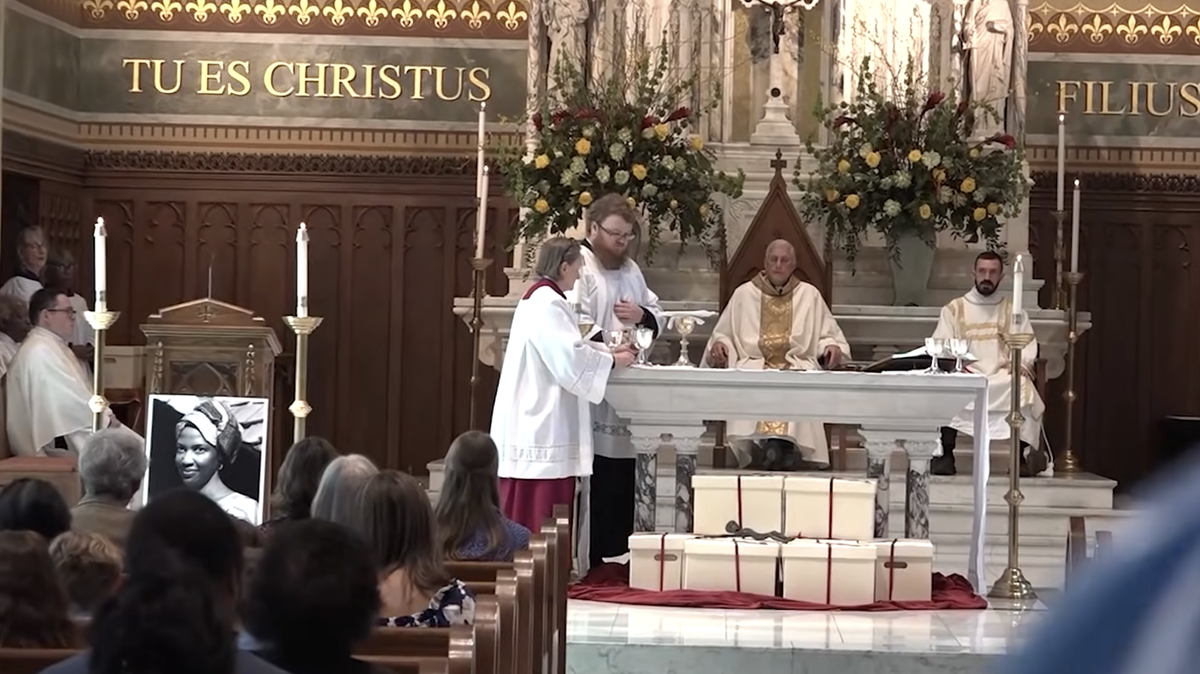
The initial phase for the potential canonization of Mississippi-born Sister Mary Thea Bowman ended at the Roman Catholic Diocese of Jackson, according to the church.
“Clergy, religious and faithful from across the diocese gathered to give thanks for the life, witness and enduring legacy of Sister Thea, whose joyful proclamation of the Gospel continues to inspire the Church,” the Roman Catholic Diocese of Jackson said in a Feb. 9 post on Facebook.
The canonization cause for Sister Mary Thea Bowman opened in November 2018, according to the church. Bowman dedicated her life to helping the U.S. Catholic Church “refine its ministry toward Black American Catholics,” according to The Catholic News Agency.
Here’s what to know.
Who was Sister Mary Thea Bowman?
Born in Canton, Mississippi in 1937, Sister Mary Thea Bowman was an influential evangelizer, teacher, writer and singer in the Catholic Church, according to the Catholic Diocese of Jackson.
She is known for being the only African-American member of her religious community who went on to advocate against racism and was a founding faculty member of the Institute for Black Catholic Studies at Xavier University in New Orleans.
“She was a powerful advocate against racism and encouraged dialogue, the breaking down of racial barriers, and encounter with the joy of the Gospel,” the U.S. Conference of Catholic Bishops said in a Feb. 11 post on Instagram.
Bowman died in 1990 from breast cancer.
“During her short lifetime, many people considered her a religious Sister undeniably close to God and who lovingly invited others to encounter the presence of God in their lives,” the Catholic Diocese of Jackson said.
What happens next?
Bowman’s canonization cause will now move to the Vatican for review by the Dicastery for the Causes of Saints, according to the Roman Catholic Diocese of Jackson.
For canonization, the Catholic Church requires a miracle attributed to the candidate’s intercession to be verified after death. The miracle will be reviewed at the Vatican, and once it is complete, Pope Leo XIV can approve it, granting “beatification” or the title “Blessed” and limited public veneration.
Next, another miracle is needed to be confirmed after the beatification to allow for public veneration and the title of “Saint.”