MS may face federal border agents soon. Is it legal to film them in the state? What the law says
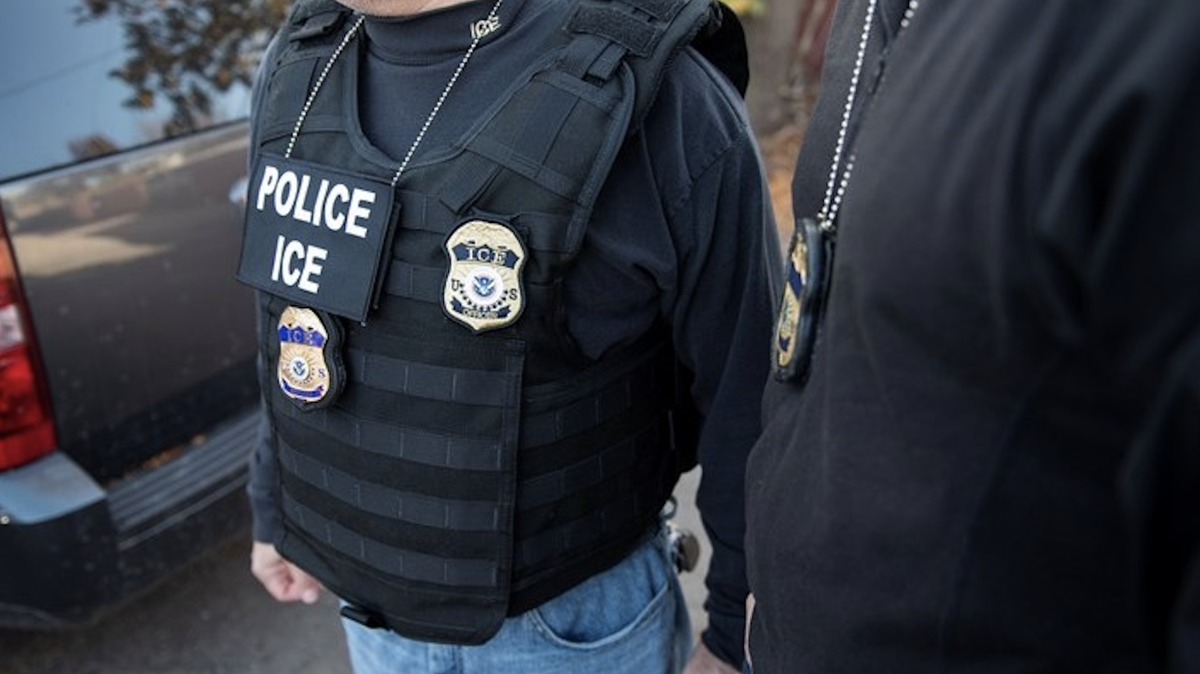
As federal border agents are set to arrive in Louisiana and Mississippi in the coming weeks — in the latest immigration enforcement operation under the Trump administration — some individuals may feel compelled to record interactions they see.
According to documents reviewed by The Associated Press, the operation, dubbed “Swamp Sweep,” aims to arrest roughly 5,000 people across Louisiana and southeastern Mississippi, McClatchy News reported.
But is it legal to record the work of federal border agents? And are there consequences for what people choose to do with the footage captured?
Here’s what you need to know.
Is it legal to film federal border agents?
The First Amendment protects recording interactions with federal border agents in certain places, according to the American Civil Liberties Union of Arizona. These are areas where you can legally film Border Patrol:
- Private property
- Vehicle stops
- Checkpoints
Customs and Border Protection prohibits recording anything at these spots, according to the ACLU of Arizona:
- Government property
- At a port of entry
Can border agents tell you to stop recording them?
Yes. If your filming gets in the way of a border agent’s work, they can ask you to stop, law experts said.
The First Amendment does not protect filming that interferes with law enforcement’s work, notes the ACLU of New York. Be sure you’re filming is from a reasonable distance, and that you are not in the way.
Hindering the work of Border Patrol or other law enforcement can be a crime in certain cases, according to experts at Johns Hopkins University.
Are there things you should and shouldn’t film?
Yes. Here are things to keep in mind when filming to protect yourself and community members, according to the ACLU of New York.
- Focus the camera on the law enforcement officer and not the person being targeted
- Use tools to help you blur out identifying details if the person being targeted is in your video
- Film horizontally to capture more of the scene
- Try to capture details like street signs and landmarks, other cameras in the vicinity, badges or paperwork on the officer
“Far too often, footage of violence and abuse is used against the person or community we’re hoping to help protect,” experts at the ACLU of New York said.
What should you do with the footage you capture?
It’s important to be thoughtful about what you’ve filmed before posting it as it could put you or people in the video at risk.
These are some best practices for what to do with footage you’ve captured, according to the ACLU of New York:
- Seek advice from a trusted advocacy group or lawyer before sharing
- If you can, ask permission from people in the video before posting on social media
- Don’t edit or change anything about the footage or file name and save unedited footage in a safe place
This story was originally published November 21, 2025 at 5:00 AM.