Prep for an extra hour of sleep, MS. Here’s when daylight saving time ends in 2025
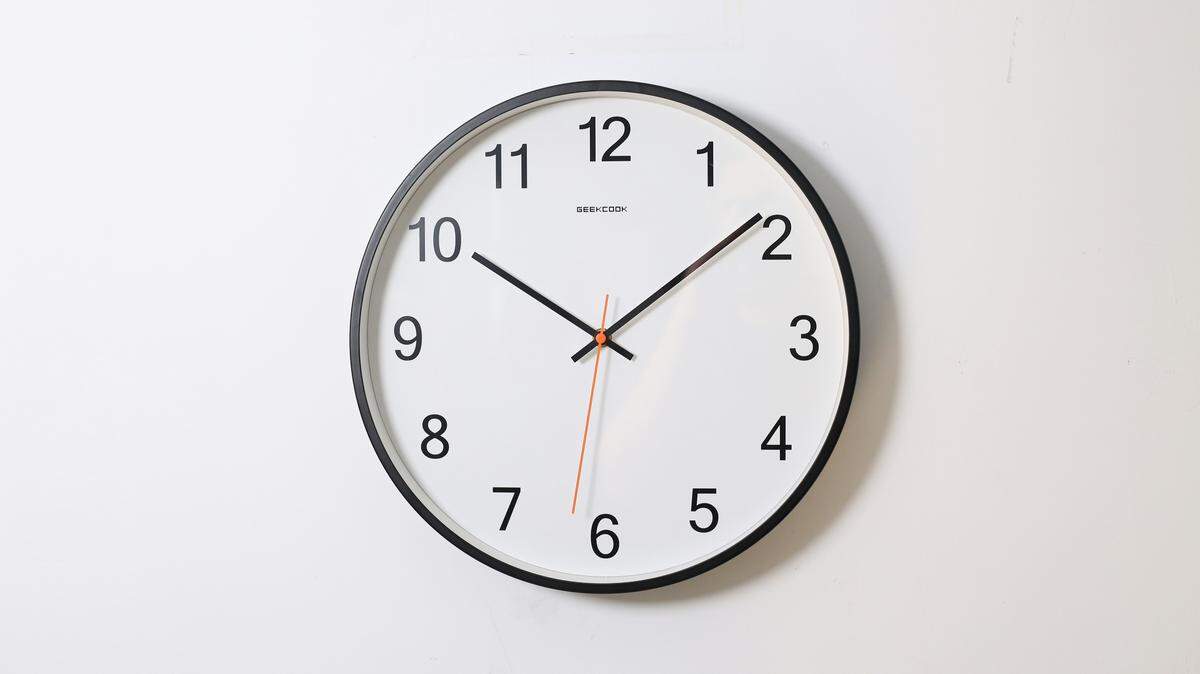
Mississippians will soon get an extra hour of sleep as daylight saving time draws to a close.
This fall, clocks will wind back one hour for the end of daylight savings at 2 a.m. Sunday, Nov. 2, according to timeanddate.com.
Here’s everything you need to know about the tradition.
How to prep for daylight saving time
Since daylight saving time changes the amount of daylight people are exposed to, some report feeling sluggish or tired after changing their clock, according to sleepfoundation.org.
Here’s how you can prepare for the time change and reduce its impact on your wellness, according to the sleep health website:
- Set your clock before going to sleep Nov. 1
- Gradually adjust your sleep schedule
- Get quality sleep before hand
- Make time for daylight exposure
What is daylight saving time?
Daylight saving time is an annual tradition of advancing clocks by one hour in the spring and setting them back to standard time in the fall.
The practice, which extends daylight in the spring and summer months and shortens it in the winter, was invented by Benjamin Franklin in 1784 as a way to conserve energy and formally adopted during World War 1, according to the Johns Hopkins Bloomberg School of Public Health.
However, some researchers said the tradition does the opposite — with people using more air conditioning and heating during extended daylight hours, according to the school.
Do all states participate in the time change?
Most states observe daylight saving time, but two states — Hawaii and Arizona — observe standard time only, according to the United States Astronomical Applications Department.
Could daylight saving time tradition end?
In recent years it’s seemed that each time change has begged the question if it will be the last time Americans reset their clocks.
A majority of Americans, 63%, said they support the elimination of daylight saving time, according to a 2020 American Academy of Sleep Medicine Survey.
Negative health consequences, like stroke and obesity, have been found to correlate with time change, according to a Sept. 15 study by researchers at Stanford Medicine published in the Proceedings of the National Academy of Sciences.
In 2023, the Sunshine Protection Act was introduced in the Senate with the goal of making daylight saving time the permanent standard time but was discharged in the House.
A similar bill was introduced in January but has not moved forward.
Several states, including Mississippi, have also unsuccessfully introduced legislation to observe permanent daylight saving time, The Hill reported.
This story was originally published September 19, 2025 at 5:00 AM.