Oyster restoration project could improve Gulf Coast water quality, marine habitats
AI-generated summary reviewed by our newsroom.
- Researchers released 125 million larvae onto reefs in Shearwater Reef to restore oysters.
- The direct setting method places larvae on recycled shells, reducing restoration costs.
- Oyster reefs boost marine habitats, improve water clarity, and support local fisheries.
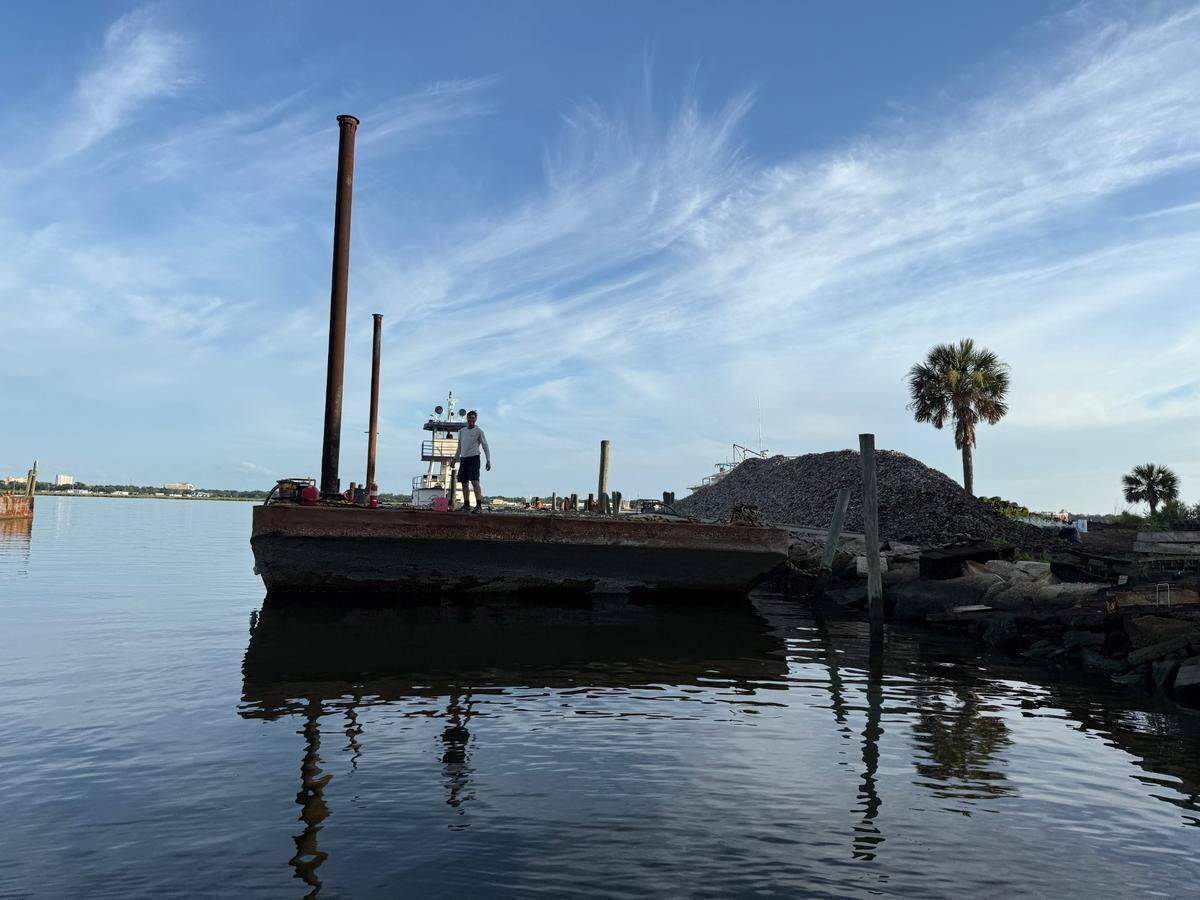
A team of coastal advocates took to Shearwater Reef on Tuesday, releasing 125 million oyster larvae onto oyster-shell reefs in an effort to restore populations in the Gulf Coast.
The privately-funded study takes a novel approach to a decades-old and costly problem, placing larvae directly onto recycled oyster reefs rather than growing them in a lab.
If successful, the project could lead to cleaner water, healthier marine ecosystems and increased bounties for local fishermen.
“Oysters are filter feeders. Their gills filter out different nutrients, such as types of nitrogen and phosphorus. In a short matter of time, they’re able to take water that you can’t see through and make it much clearer,” lead researcher and Callie Mae Sea Foundation co-founder Dr. Virginia Schweiss said.
National Fisheries Restoration President Will Ladnier said oyster shells support hundreds of marine species.
“Blue crabs are a big deal down here, and blue crabs love these oyster reefs,” Schweiss said.
Uncertainty shadows restoration effort
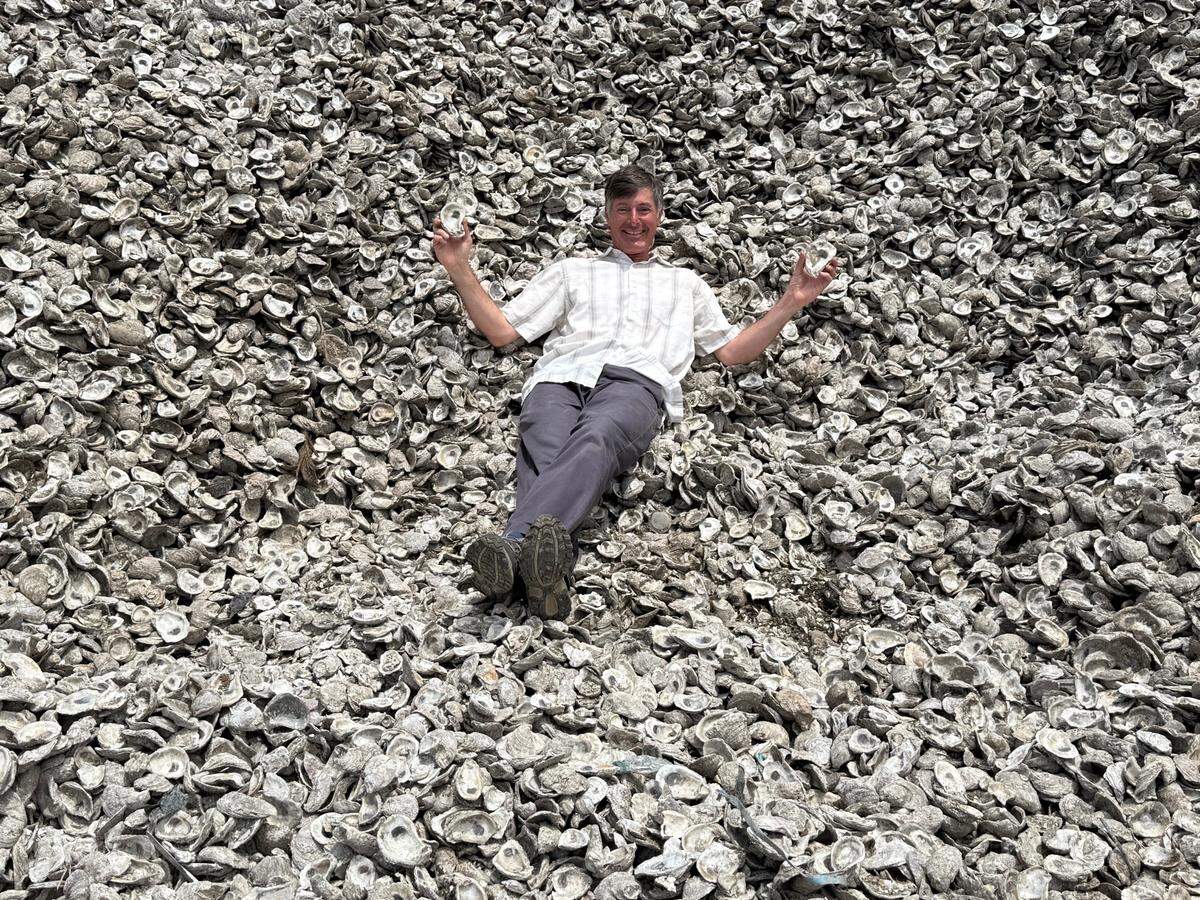
The Coalition to Restore Coastal Louisiana helped collect nearly 200 tons of oyster shells to serve as reefs for the larvae. Schweiss said larvae will latch onto the recycled shells and grow through a process called “direct setting.”
“With direct setting, you put the habitat in place, release the oyster larvae right on top of it, and you wait. Economically, it’s much more feasible,” Schweiss said.
Still, researchers say a multitude of factors could potentially disrupt the project, such as freshwater from the Bonnet Carré Spillway and unanticipated predators.
“All those species that benefit from oyster reefs could be out there right now eating our larvae,” Schweiss said.
The team will return to Biloxi on June 30 to sample larvae. Examining them under a microscope will help determine early outcomes.
“Not only is this going to let us know if it worked or not, but it’s going to tell us how much larvae we really need to see a successful result, because we want to make this as cost effective as possible,” Schweiss said.
Restoration seen as critical step
Greg Cenac, vice president of operations at C. Cenac & Co., connected many of the researchers and advocates now working on the project. He said restoring oyster populations is essential for the health of the Gulf Coast.
“There is a way to solve the oyster depletion. We need oysters. We have been dealt a bad hand. We had Katrina. We have the Bonnet Carré Spillway. It’s costly,” Cenac said.
Ladnier said he hopes to continue oyster restoration projects like this in the future.
“The next time we do it, it’s gonna get better and better and better,” Ladnier said.
This story was originally published June 18, 2025 at 6:33 PM.