
Congress can stop the STEM brain drain, Jim Barksdale says
What do Elon Musk, Sergey Brin, Noubar Afeyin, Vlad Tenev and Bipul Sinha have in common? They were born outside the United States, came here for college, and then created hugely successful companies in America.
Tesla, Google, Moderna, Robinhood and Rubrik.
It’s why people from all over the world come to America - to chase their dreams in the most innovative, free, and economically successful country in the world.
Critically important, Musk, Brin, Afeyin, Tenev, and Sinha were able to stay in the U.S. after their studies.
Today, if Elon Musk was in graduate school in America, odds are he would have to move elsewhere to create his endless stream of ideas and companies.
Sadly, our immigration system is broken and hasn’t been meaningfully updated in 30 years. America has enjoyed a competitive advantage by attracting foreign-born professionals for decades, especially international graduates of U.S. colleges and universities, but now other countries are enticing an increasing number of these students to study elsewhere compared to the U.S.
The STEM workforce is getting thinner in America at the same time Congress has limited the number of green cards and temporary visas for international graduates who would desire to remain in the U.S. long-term. America educated these graduates, why are we trying to export them?
In addition, our national security is threatened as countries like China continue to rapidly make developments in science and technology and steal our intellectual property. We run the risk of having the best and brightest work for the cybersecurity efforts of our adversaries rather than us.
If this trend continues, we may lose the battle to keep high-skilled workers in American labs, plants, and factories. We must take measures to facilitate more significant technological innovation on U.S. soil.
Our elected officials in the U.S. House of Representatives passed the America COMPETES Act in February. This legislation includes numerous policies and investments to bolster important industries like biotech, semiconductor production, cyber security, and artificial intelligence. One such policy seeks to reinforce our STEM workforce with skilled professionals by expanding opportunities for foreign-born individuals with advanced STEM degrees to come to and remain in the U.S., ultimately providing them with a pathway to permanent residency so their contributions remain here rather than abroad.
We find ourselves confronting a labor shortage as job vacancies in the professional, scientific, and technical service industries have almost tripled since 2010. Enabling foreign-born workers with advanced STEM degrees to obtain residency will help our state and country establish the workforce necessary to supplement the growing tech sector.
Since taking office, Senator Roger Wicker has been an active supporter of pro-growth, job-creating policies in our state. He joined the vote last summer to pass the United States Innovation and Competition Act (USICA), the Senate version of the COMPETES Act. I commend Senator Wicker and urge him to find like-minded senators to address long-overdue corrections to advance opportunities for foreign-born STEM workers in the final version of the COMPETES Act.
If we want to retain our global competitive advantage and protect our national security, we must replenish our tech industry with the highly trained minds that are needed, wherever they may have been born.
We cannot afford to export this talent. Senator Wicker and his colleagues have a golden opportunity. Throughout our U.S. colleges right now, there are thousands of potential “Elon Musk” dreamers, innovators, and entrepreneurs; let’s make sure to give them an opportunity to chase their dreams on American soil!
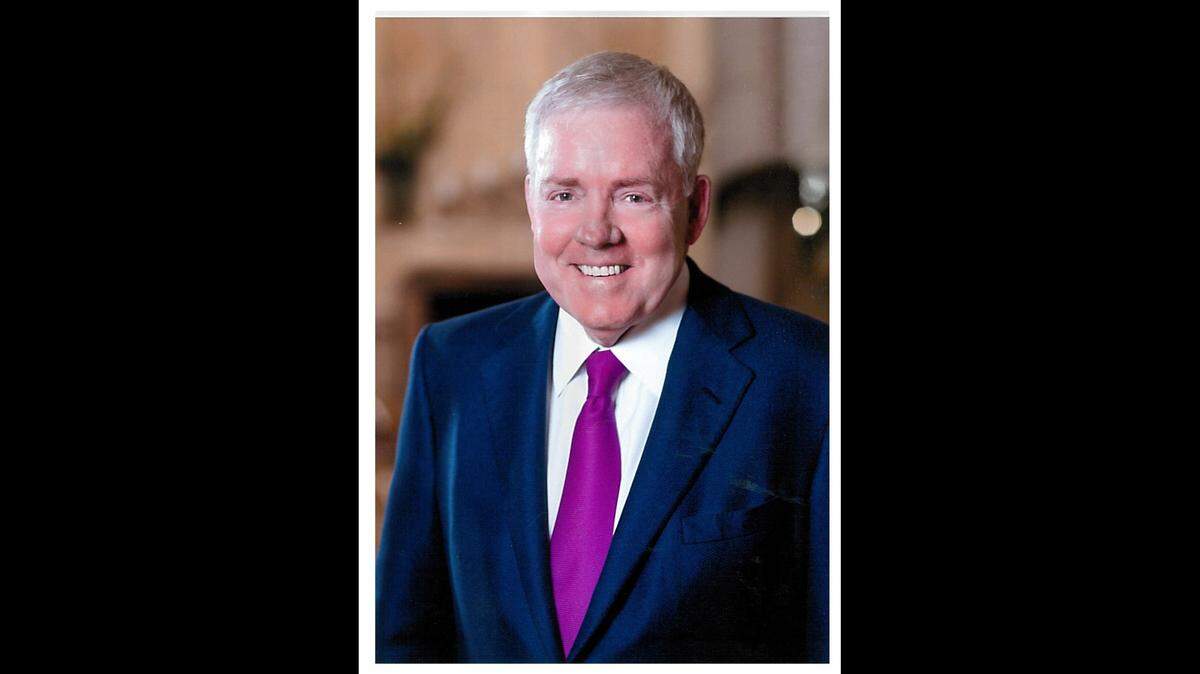
Jim Barksdale heads Barksdale Management Corporation and lives in Jackson, MS, with his wife, Donna.
This story was originally published April 24, 2022 at 12:00 AM.