‘Backwards’ sidewalks. Steep driveways. East Biloxi begs for fix to years-long nightmare.
Years after East Biloxians started begging for help, Biloxi is spending hundreds of thousands of dollars to redo some of the faulty sidewalks and driveways installed during the neighborhood’s years-long Katrina infrastructure repair project.
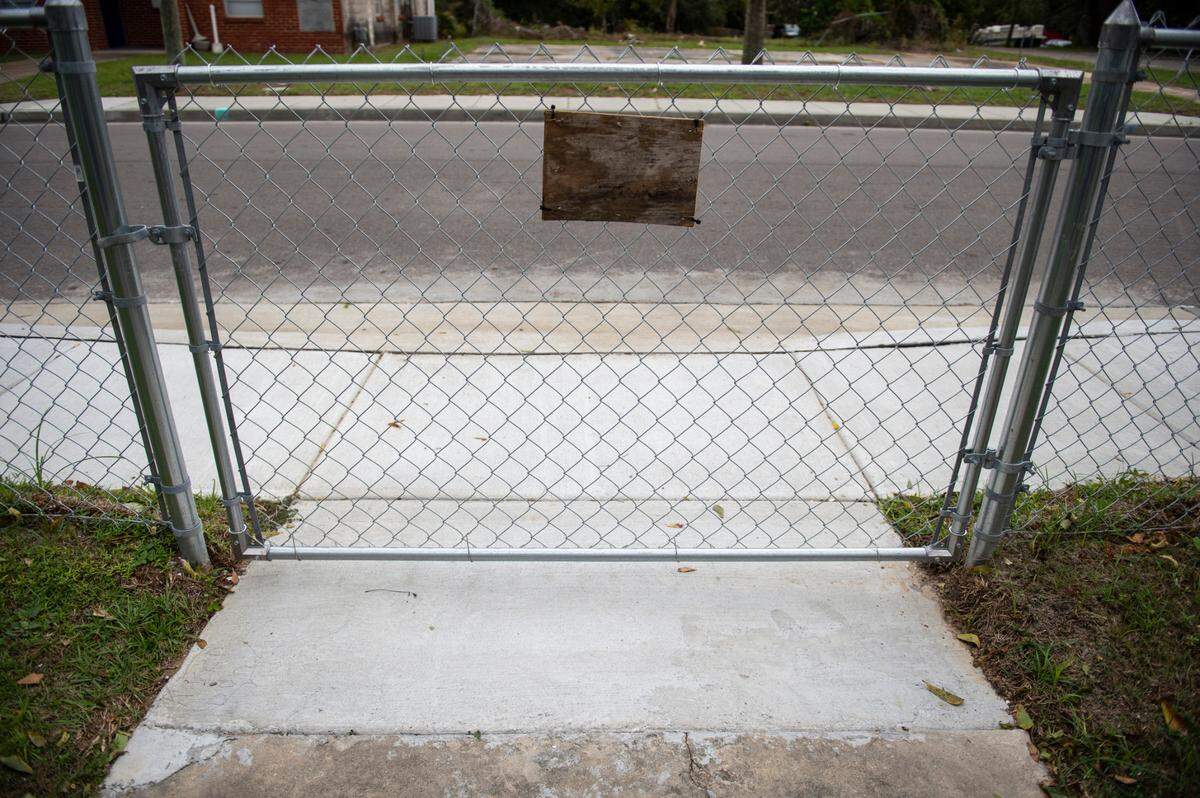
Some of the sidewalks were not compliant with regulations under the Americans with Disabilities Act, causing residents to fall down while trying to get their mail or go for a walk. Some of the driveways were so steep that residents have damaged their cars just pulling in and out.
Oscar Renda, the contractor who installed them as part of a $130 million job, says city inspectors approved the work. The city agrees Oscar Renda isn’t responsible for the errors.
Biloxi is asking FEMA to reimburse the more than $300,000 it has spent so far. But FEMA, which paid for the $130 million infrastructure project, says it does not pay to repair work it already paid for once.
The corrections are a relief to residents who have emailed and called Oscar Renda and city officials over and over for years, hoping someone would fix their property.
But the city is prioritizing people who have filed claims, rather than surveying the project area to fix all the flawed concrete work.
Residents’ individual victories are tinged with frustration. Why did it take so long? And if they lived in another part of Biloxi, rather than Ward 1 and Ward 2, where more residents are Black and low-income, would someone have listened to them sooner?
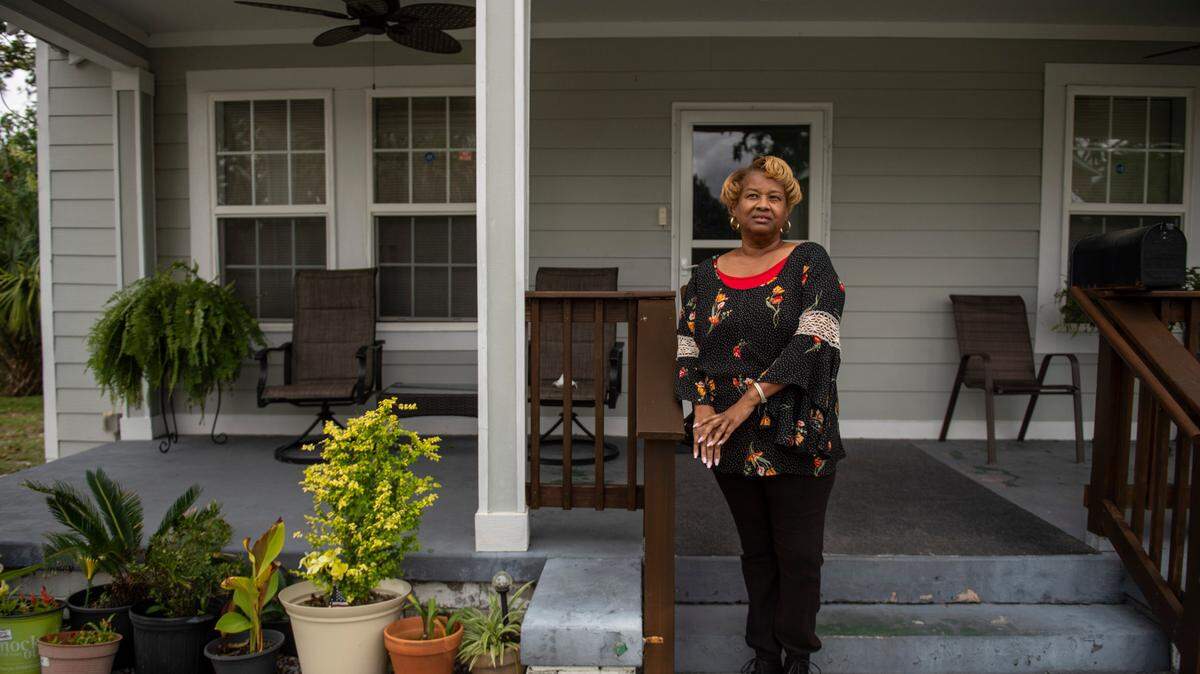
Karen Fleeton grew up in Ward 2, which is majority-Black. She still lives on Main Street in a house that has belonged to her family for generations. Her sidewalk was finally fixed in August, more than three years after she started contacting the city and Oscar Renda.
“I just think that if it was in a different ward then none of this would be happening,” she said.
Biloxi did not respond to a detailed list of questions, including how the repairs will be paid for if the reimbursement requests to FEMA are denied.
Instead, public affairs manager Vincent Creel sent a statement saying that ongoing litigation limits what Biloxi can say. Oscar Renda has sued the City for about $80 million.
“I’m unaware of any ‘gotcha’ when it comes to this project, other than the project itself,” he wrote. “I’m unaware of any $6,000 hammers or other things you read about from time to time. The biggest takeaway from this has been that the size and scope of the project made it difficult to manage. The challenges grew from there. The city staff has worked to keep our state and federal partners and the public in the loop all through this arduous process.”
City inspectors approved flawed work
This summer, the city started assigning Gulfport-based DNA Underground to begin fixing problems with sidewalks and driveways like Fleeton’s. As of mid-October, DNA Underground had billed the city $318,789.18 for 37 jobs to adjust work completed as part of the North Contract, according to a log of pay orders the Sun Herald obtained from the city through a public records request.
Rachel Sackett, director of communications for Southland Holdings, Oscar Renda’s parent company, said in a statement to the Sun Herald that the company had followed the plans it was given.
“Oscar Renda installed the sidewalks as directed by the city,” she said. “Then, Oscar Renda’s work was inspected by the city and its engineers who used levels to check the grades. After those inspections, almost all of Oscar Renda’s work was approved. In a few instances the inspections identified concerns with Oscar Renda’s work, but Oscar Renda then reworked those areas, which were then reinspected and approved.”
Walt Rode, Biloxi’s program manager for the infrastructure project, agrees that Oscar Renda isn’t at fault for the recent round of repairs.
“The purchase orders to DNA are primarily, if not exclusively, for work that was unforeseen or unknown latent conditions during the design phase and not due to Oscar Renda’s work,” Rode said in an email.
The DNA Underground crews are fixing work that was already paid for at taxpayer expense. Who will pay the second time around is not clear.
When the Sun Herald asked how the city is paying for the repairs, Rode indicated that the city will seek to be reimbursed through FEMA, whose public assistance program funded the infrastructure project.
MEMA, which distributes the funds, is currently evaluating whether the corrections are eligible for reimbursement.
But a FEMA spokesperson said that the agency does not pay to fix construction work it already paid for once.
“Corrections are not accounted for in an approved scope of work,” the spokesperson said in an email.
‘Why didn’t somebody stop ‘em?’
East Biloxi is the historic heart of the city. The community housed a Black commercial and entertainment district that drew visitors from across the Coast under Jim Crow. Immigrants from Yugoslavia and then Vietnam arrived to work in seafood factories and the docks.
Today, about half of residents are Black. Biloxi’s Vietnamese and Latino communities are centered here, too. The poverty rate is much higher than the city’s average.
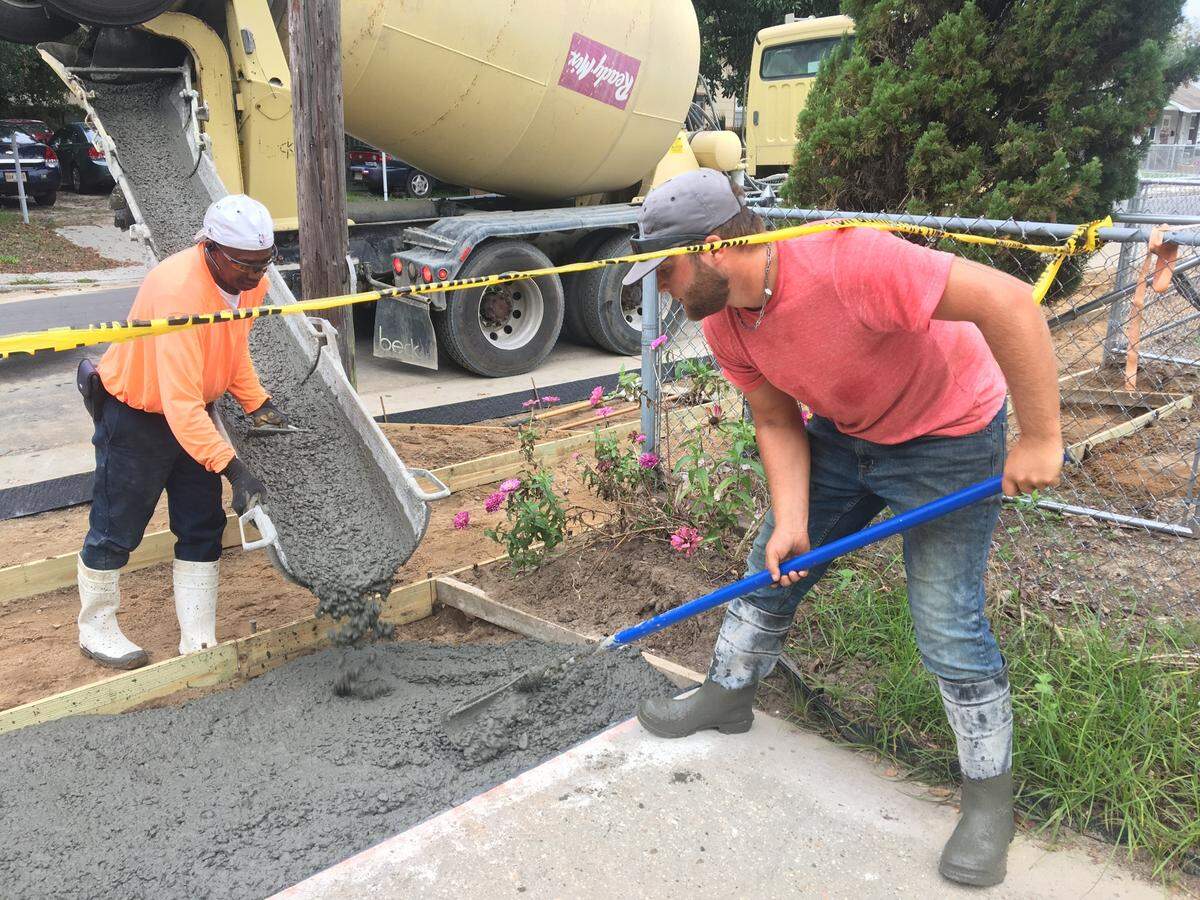
On a Monday morning in October, three DNA Underground crew members were waiting for the arrival of a concrete truck to pour the new ADA-compliant sidewalk and driveways in front of three homes on Querens Street.
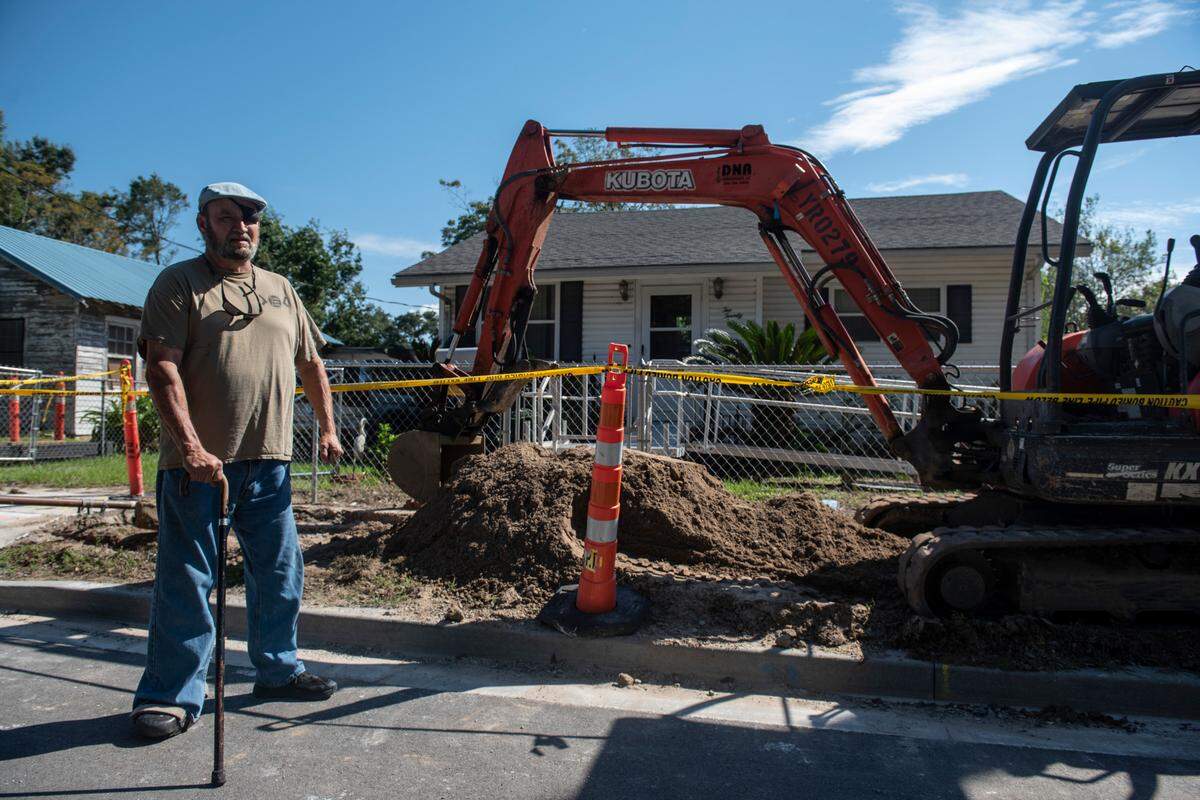
Sixty-six-year-old John Higgins, who lives in the same house where he grew up, came outside to watch the crew work. These days, he walks with a cane and uses a ramp to get from the front door down to his yard.
The driveway installed during the infrastructure repair project was so steep that he fell down it half a dozen times, he said.
Crew member Brandon Farley, 23, said they’ve heard from residents about their cars getting busted up and scraped on their too-steep driveways. But he’s more concerned about how the construction has affected elderly and disabled people.
“They have balance issues,” he said. “They fall. Stuff like that. We’re not really doing it for driveways. We’re doing it for everybody.”
Farley and his coworkers pride themselves on their workmanship and attention to detail. To the concrete experts, the construction flaws they were fixing were glaringly obvious.
“What gets me, out of the whole city, is why didn’t somebody stop ‘em ahead of time, why’d they let ‘em do it all?” one crew member said.
North Contract a nightmare for East Biloxi
For East Biloxians, the infrastructure repair project was a nightmare without end.
Texas-based Oscar Renda won the $116 million North Contract in 2014. It was the largest public works project in Biloxi history, and costs ultimately ballooned to $130 million.
The work required digging deep under city streets to replace water mains, sewer lines and storm drains. Next the company was supposed to repave all the roads and replace sidewalks and curbs, too.
The company got started by tearing up almost all of the neighborhood’s roads at once. Then, claiming the plans it had been given by Biloxi were flawed, their crews made little progress for months and even years.
While residents dealt with car damage and respiratory problems, and businesses lost customers because no one wanted to brave the neighborhood’s muddy, bumpy streets, Oscar Renda and the city traded blame.
Biloxi had hired seven different engineers to design pieces of the North Contract. That meant that if Oscar Renda’s employees encountered a problem on the job, there wasn’t just one point of contact to help them resolve it.
The different engineers had also used conflicting measurement systems, which made it harder for the company to figure out how to implement the designs.
By hiring so many engineers for the designs, “You didn’t do yourself any favors,” Oscar Renda project manager Tony Morrow told the council in November 2015.
During the project, Oscar Renda claims, the companies provided 859 different design revisions.
Now, the squabbling continues in court: This summer, Oscar Renda filed a $79 million lawsuit against Biloxi, alleging that the city was responsible for the design issues, cost overruns and lengthy delays. The city has responded that Oscar Renda’s claims are “based mainly on false logic and inaccurate analysis.”
Among the design problems Oscar Renda alleges in the lawsuit: “Back-of-curb elevations were incorrectly designed” and “Incorrect elevation information was provided by the city to ORC.”
In October, Biloxi filed a third-party complaint, alleging that if anyone is responsible for the problems Oscar Renda encountered, it’s the seven engineering firms that designed the project.
Coast-based firm Brown, Mitchell & Alexander designed the portion of the project that included Higgins’s property. Vice President Benjamin Smith said the company can’t comment because of the litigation.
The Mobile-based company Volkert, Inc. designed the section that includes most of Main Street south of Bradford Street, where Fleeton lives. An attorney for the company, Doug Vaughn, said in an email that “due to pending litigation,” Volkert could not comment.
‘PLEASE HELP!’
For East Biloxians dealing with the fallout, the important question wasn’t who to blame. It was who, if anyone, would fix the damage to their homes, businesses, yards, sidewalks, driveways and neighborhood.
Fleeton, who lives on Main Street, first started contacting the city and Oscar Renda asking them to fix her sidewalk in April 2018, according to a detailed log she kept of her outreach.
Her sidewalk had been installed “backwards,” as she put it, causing water to flow into her yard and turn it into a muddy puddle.
The city’s third-party administrator, Associated Adjusters, helped her file her claims with Oscar Renda. But she never heard anything from the company, and her emails requesting updates were frequently ignored.
“PLEASE HELP!” she wrote on December 8, 2020, to Oscar Renda project manager Jennifer Matranga, Rode and a few other recipients, after an email in September got no response.
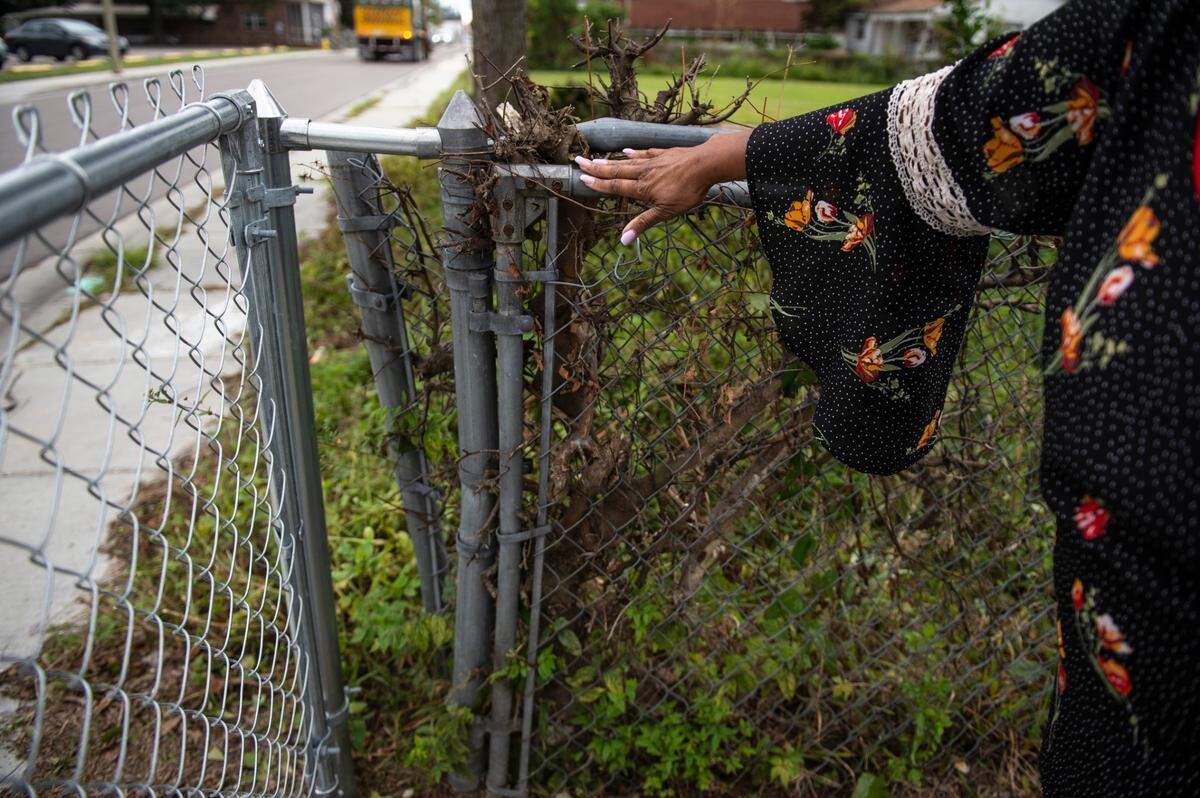
“If you want your sidewalk installed different than it is, you need to contact the city directly,” Matranga emailed Fleeton in January 2021. “We installed the sidewalk to grade and as per plans, and as approved by city inspectors.”
That same day, city engineer Sarah Harris emailed that she had gone to Fleeton’s property to look at the sidewalk.
“The sidewalk issue will have to be addressed by one of our city contracts or Public Works,” she wrote. “The issue is caused by the finish grade of the sidewalk apparently it is higher than the existing was.”
Months passed; no one from the city or Oscar Renda responded to Fleeton’s emails later in January and in May.
On July 7, Fleeton wrote with what she said was her “last correspondence and request.”
“We were unable to get Oscar Renda to participate in adjusting the concrete at 339 Main St, therefore we requested our Public Works Department to address the issue as additional work to their typical work week,” Rode responded that same day.
He added that because Public Works was dealing with staffing limitations, the city had contracted DNA Underground to fix her sidewalk.
Fleeeton’s sidewalk was repaired in early August. She’s happy with the work, but still can’t understand why it took more than three years.
“I don’t care if it was the City or Oscar Renda,” she said. “It was done wrong. Whoever’s fault it was, it was done wrong.”
Many East Biloxi residents unaware of corrections
As of Oct. 13, the pay log included 37 different pay orders for jobs completed by DNA Underground, each of which may affect more than one property. (The job at Higgins’s house on Querens Avenue, for example, affects three properties. The log included only one pay order for work at Querens, which cost $15,805.38.)
The cheapest job on the log cost the city a little over $2,000. The most expensive, described as “GRAHAM DRAINAGE (EAST SIDE)” cost $45,188.57.
“Although a few other properties may become available in which DNA may have to perform work, at this time we, the city, do not anticipate many more properties that would require additional work,” Rode said in an email.
But the city appears to have only sent DNA Underground to people who have previously filed claims, like Fleeton and Higgins.
And after years of suffering during the infrastructure project, and few examples of neighbors who ever saw any compensation after filing a damage claim, some East Biloxians weren’t sure who to ask for help, or they doubted it would do any good.
Or, they already did ask, but not in a way that got them put on the city’s lists.
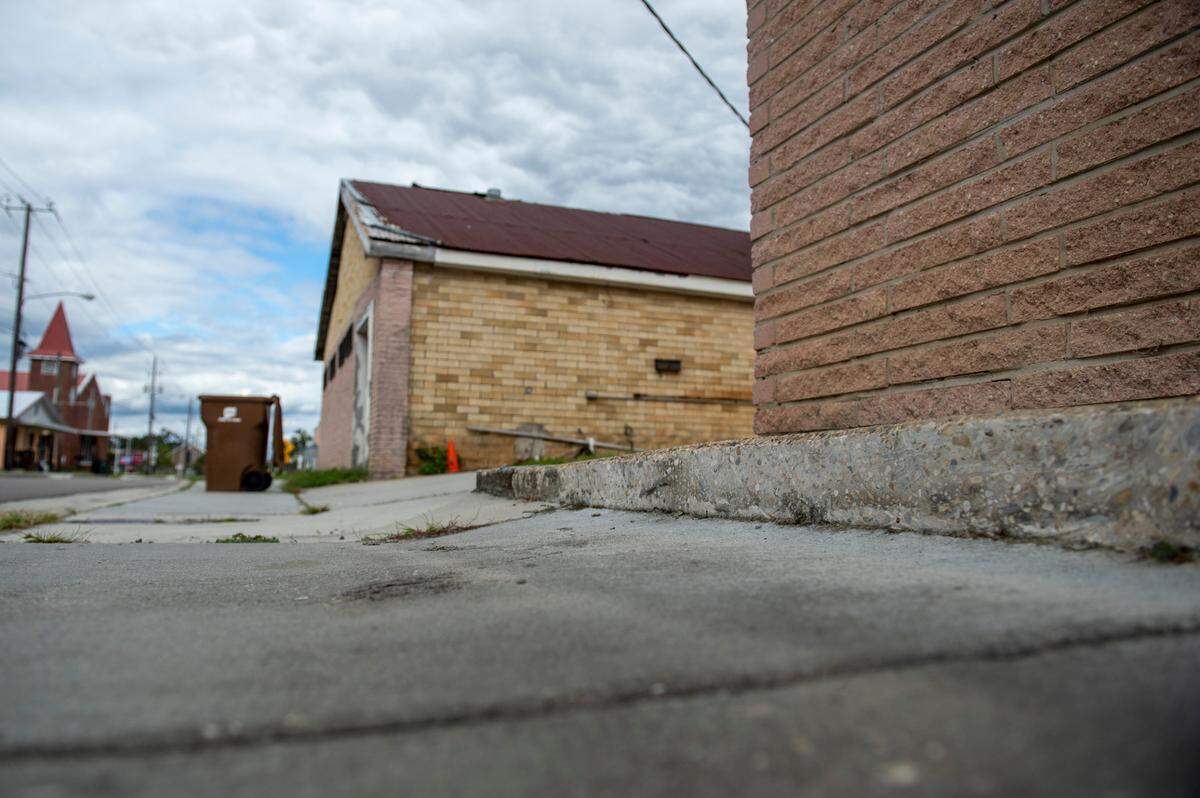
Before the infrastructure project, the sidewalk and driveway at Sharon Whitson’s house on Main Street were even. Now, there’s an unusual raised corner where the sidewalk meets her driveway. The driveway is much steeper than it was before.
After a surgery last year, she used a walker. One day, while she stood on her driveway talking to her neighbors across the street, she turned to see what her dog was barking about. As she tried to step up the steep incline of the driveway, she lost her balance and fell.
“I hurt myself, but I was on the way to the doctor that day anyway,” she said.
She used to be a frequent presence at Oscar Renda’s office in Biloxi.
“They kept telling me they was gonna come, gonna come— and then they left town,” she said.
She’s also gone to the city, but she doesn’t recall ever hearing back from anyone about her complaints. No one told her that some driveways like hers are now being fixed.
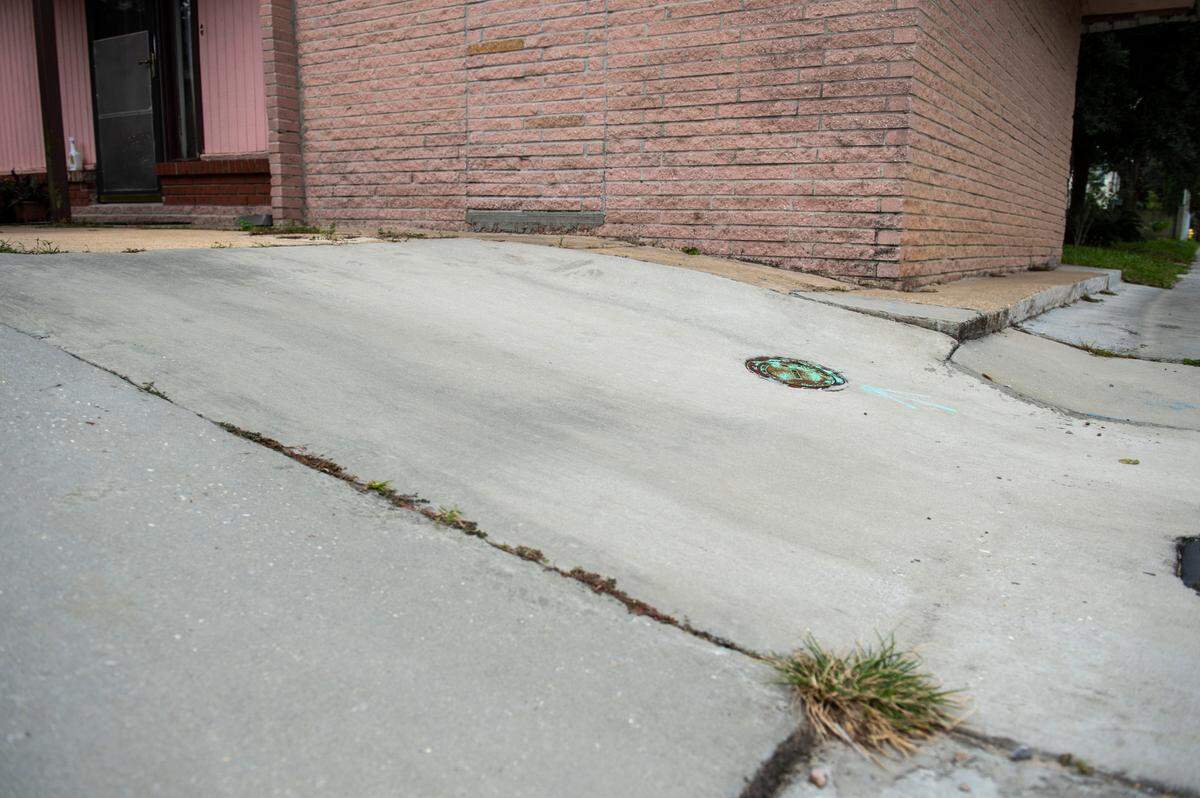
Lately, she’s been more worried about the old Blue Note building she owns next door to her house. The club was once part of a thriving collection of Main Street blues venues that drew Black residents from across the Coast. It never reopened after Hurricane Katrina.
Though no one has come to assess her driveway, city code enforcement recently sent her a letter listing violations at the empty former nightclub. The property was deemed “unfit or dangerous.” If Whitson can’t afford to fix it, the City could tear it down.
Were you or your property affected by infrastructure repairs in East Biloxi? We want to hear from you. Email or call Sun Herald reporter Isabelle Taft: itaft@sunherald.com, 202-768-5650.
UPDATE: This story has been updated with a comment from Brown, Mitchell & Alexander, which was provided to the Sun Herald following publication.
This story was originally published November 5, 2021 at 5:50 AM.