Once a vital grocery store for Black residents, MS Coast building now on endangered list
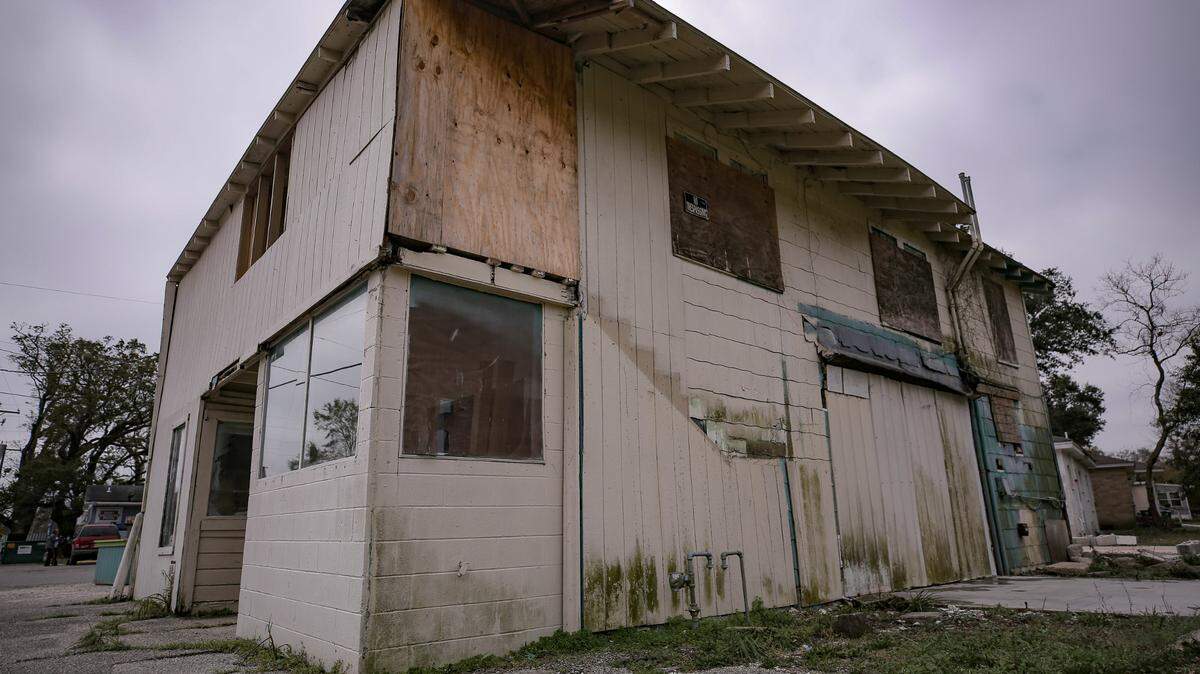
In a segregated society, a little grocery store between two historic Gulfport neighborhoods was the rare place open by law and custom to Black and white people alike.
The building that housed the Broadmoor store, on Kelly Avenue near historically Black Soria City and white Broadmoor, has sat unused since Hurricane Katrina. But on Thursday night, it won a recognition that owner Ronnie Matthew Harris hopes will help galvanize his effort to redevelop the building.
The Mississippi Heritage Trust included the Broadmoor on its 2021 list of the 10 Most Endangered Historic Places in Mississippi, announced on Thursday. The Sun Herald featured the store in an article published in February.
Since 1999, the Trust has published the list to draw attention to historic buildings across the state and gather support for efforts to save them. Sometimes, inclusion on the list has led to what executive director Lolly Rash calls “a save.”
“For me, it’s a property that has been restored and put back into useful service,” she said. “What that service is is really dependent on the building itself and community need.”
For example, the old Pascagoula High School, opened in 1939 and empty starting in 1997, became apartments for seniors in 2012.
Harris, a Soria City native who bought the building in 2019, wants to eventually see the former store playing a useful role in its community. And he hopes the recent recognition will bring attention to the neighborhood at large.
“In both Broadmoor as well as Soria City, the historic Black enclave, there are quite a number of vulnerable, endangered historic places,” he said. “This means a lot, because I’m hoping it will bring attention to a region and to a community. It’s long overdue.”
Bridging Soria City and Broadmoor
From their earliest days, Soria City was Black, and Broadmoor was white.
Established in 1901, Soria City was “Gulfport’s Harlem, where the who’s who lived, worked and played,” Harris told the Sun Herald earlier this year. Like many Black communities around the country, it boasted a thriving and self-sufficient commercial and entertainment landscape, complete with grocery stores, a taxi stand and nightclubs that drew world famous jazz musicians.
Broadmoor, a planned neighborhood that opened in the 1920s, was legally limited to white residents. It housed many members of the city’s white professional class, including a world-renowned entomologist named Harmon R. Johnston, a pioneer in the science of protecting lumber from insects.
Kelly Avenue was a kind of dividing line between the two communities. And sitting at 1801 Kelly, the Broadmoor was frequented by people of both races.
It was owned by a white man named Louis P. Doleac, whom everyone called Buddy or Mr. Buddy.
People who grew up in Soria City still trade memories of buying lemon cookies and hard bubble gum at the store after an afternoon playing in the park, or of working there as teenagers.
What the judges saw
The story of the Broadmoor store as a community gathering spot across Jim Crow Mississippi’s racial divide caught the judges’ attention, Rash said.
“It’s a compelling story about a community meeting place in between two different neighborhoods,” Rash said.
To Rash, historic preservation is almost always about stories: The memories people have tied to specific places, and the way those places can help people feel connected to their community and its past.
When a historic building is destroyed intentionally or through neglect and the passage of time, its history may remain in books or in memories. But it becomes harder to access.
The “saves” Rash cites are sweeter because there are so many losses.
Opened in 1960, the Sun-n-Sand Motor Hotel in Jackson was a place for out-of-town legislators to stay and a gathering place for civil rights activists. Despite an advocacy campaign by the Trust, and developers who were interested in repurposing it, the State of Mississippi demolished it earlier this year to build a parking lot for state employees.
The Broadmoor has compelling history and a story that isn’t over, Rash said.
“There’s a potential future for it that would again serve that purpose for two residential neighborhoods,” she said.
Harris doesn’t currently have a concrete plan for the site, but neighbors have shared a few ideas. A grocery store. A youth center. A boutique wine and cheese shop.
Ultimately, he says he wants to ensure its redevelopment serves the community.
“As a developer I will only take credit for success to the extent to which what I do to develop my property serves as a catalyst for development around me, because I think what makes my property significant is its community around it,” he said.
Other historic endangered places
This year, another Coast site on the list is the Barq’s House in Biloxi, where the famous root beer was created. Rash said a plan to renovate it and open a bed and breakfast is already in the works.
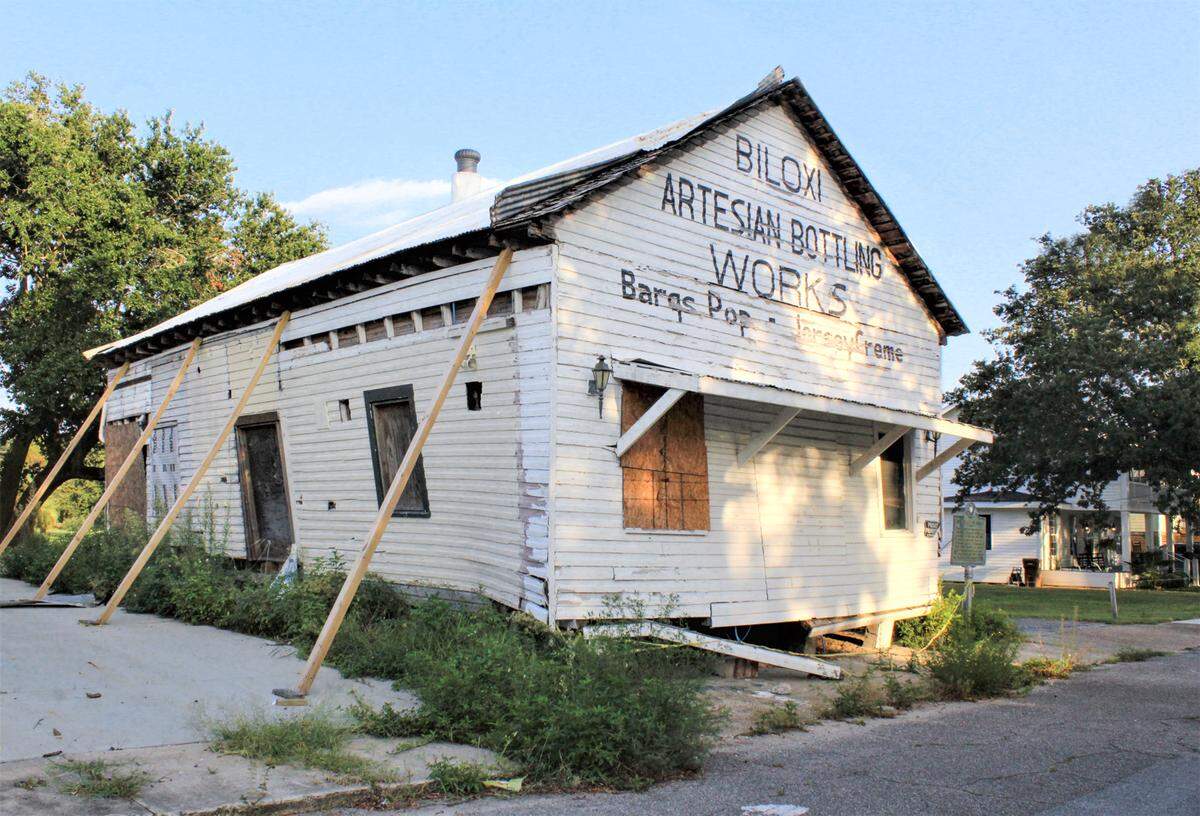
Here’s the full list of Mississippi’s 10 Most Endangered Historic Places in 2021:
- Birthplace of Barq’s, Biloxi
- Broadmoor Store, Gulfport
- Unita Blackwell House, Mayersville
- Jackson Zoo
- 900 Block of Lynch Street, Jackson
- Dumas Drug Store, Natchez
- Town of Fort Adams
- Temple Theater, Meridian
- Oakland Chapel and Oakland College Cemetery, Alcorn
- Triangle Arts Center, Yazoo City