Hospital ERs brace for more patients as federal health care cuts take hold

AI-generated summary reviewed by our newsroom.
- Congress allowed enhanced ACA subsidies to expire in 2025; premiums jump 114%.
- Hospitals face $160M a year loss from Medicaid payment cuts.
- Providers expect enrollment declines, more ER visits, strained specialty referrals.
Health care providers are bracing for higher costs and reduced insurance reimbursements now that enhanced tax credits have ended under the Affordable Care Act.
The federal subsidy passed during the COVID epidemic reduced premium costs for people who selected plans through the federal insurance marketplace. Those subsidies expired at the end of 2025 and Congress has so far chosen not to renew them, although there has recently been movement in that direction.
Without an extension, health care premiums are expected to increase an average of 114% for about 22 million people nationwide, according to KFF, a nonprofit that provides independent research and information on health-care issues.
“The expectation is that we’ll start seeing a pretty significant decrease in people enrolled in those plans,” said Richard Roberson, CEO of the Mississippi Hospital Association, a trade organization. As a result, he said, hospitals will have to cover more uncompensated care.
In addition to the loss of ACA subsidies, health care providers also will be grappling in coming years with cuts to Medicaid funding. Hospitals will lose an estimated $160 million a year in state-directed Medicaid payments, beginning in 2028-2029. Those payments shored up their bottom lines by paying the difference between low Medicaid reimbursements and the average commercial insurance rate.
Changes in federal health-care policy have created a climate of uncertainty for providers and consumers alike.
Healthcare providers are experiencing an “existential crisis,” said Angel Greer, CEO of Coastal Family Health Center, which serves 36,000 patients a year in seven South Mississippi counties, including those on the Coast.
More Mississippians will be pouring into emergency rooms for primary care and untreated chronic conditions, she and other providers said..
“That’s unsustainable for our communities and for our hospitals,” Greer said.

MS tops lists for chronic health conditions
The end to enhanced subsidies under the Affordable Health Care Act will have the most immediate impact on health care.
The subsidies enabled thousands more Mississippians to buy health insurance, enrollment numbers show. ACA enrollment increased by more than 241% in Mississippi from 2020, before the subsidies were offered, to 2025. In 2025, 338,159 Mississippi residents were enrolled in ACA plans.
That number is expected to drop significantly because of the price increases.
Coastal Family receives 16% of its revenue from patients insured through ACA plans. But the nonprofit health center also serves clients regardless of their ability to pay, with sliding-scale fees based on income and payment plans.
Greer expects fewer of the agency’s patients will enroll in ACA plans, leaving them uninsured. It will not only hurt the nonprofit’s bottom line, but also make it more difficult to refer these uninsured patients for specialty and diagnostic care.
“Worst case scenario,” she said, “ with the state of the economy and the cost that folks are facing, they may elect to delay or neglect their medical care. That’s going to have a ripple effect that is going to be astronomical.”
As more than one healthcare provider pointed out, Mississippi is at or near the top of lists for chronic health conditions such as obesity, high blood pressure and diabetes.
More of these patients will wind up in emergency rooms, Greer said, and could no longer be able to work if, for example, they suffer a stroke caused by untreated high-blood pressure.
Mississippi also has posted the highest infant mortality rate in the nation, the most recent data from the Centers for Disease Control shows. An alarming increase in 2024 led the Mississippi State Health Department to declare a public health emergency.
Greer also worries about future Medicaid funding cuts for health care. She is unsure what the impact will be on the center’s 31 school clinics that Medicaid helps support. The clinics treat 7,000 children and faculty in six South Mississippi school districts.
Medicaid represents 12% of Coastal Family’s revenue. Cuts will start in 2027, she said.
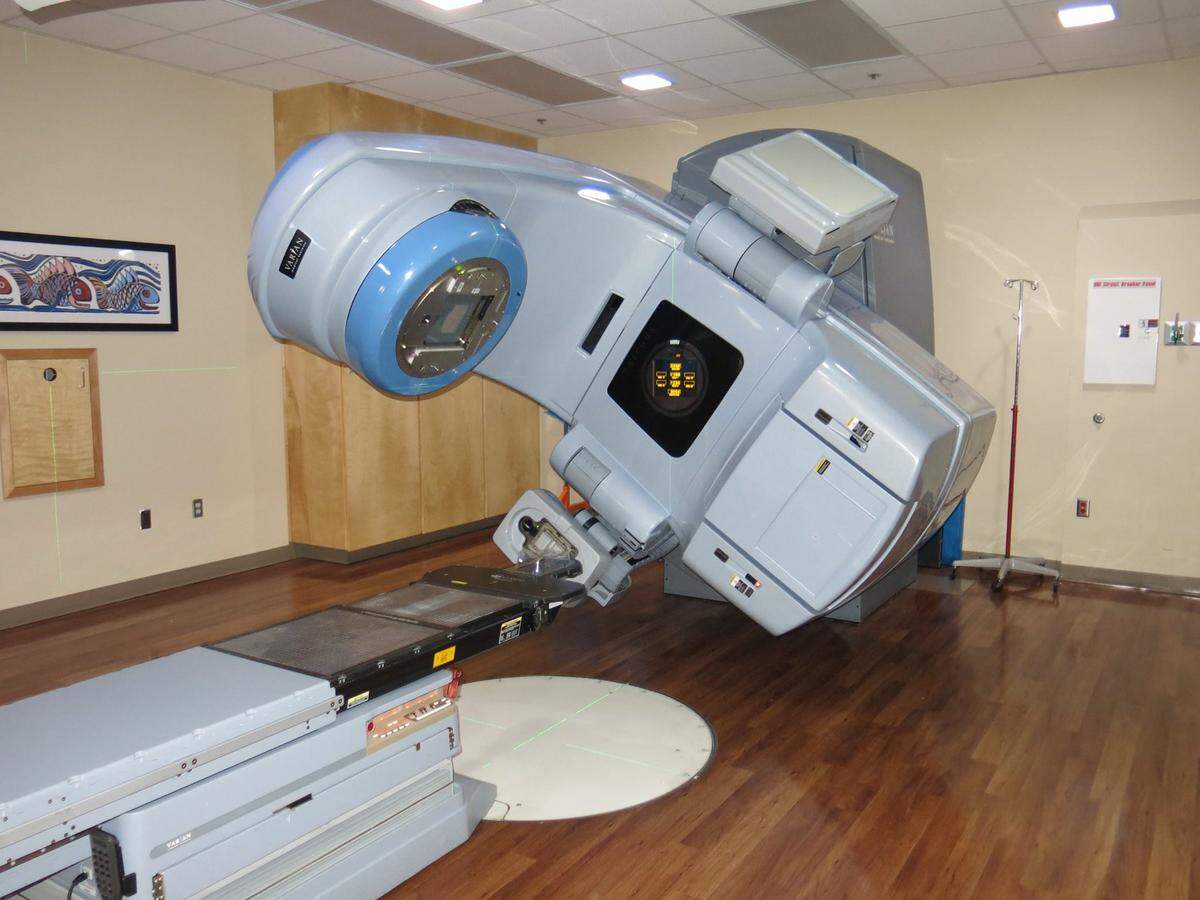
Hospitals to lose Medicaid funding
Congress intended the Rural Health Transformation Fund to offset some of the health care cuts, especially for rural hospitals struggling financially. The fund will provide $50 billion to states over 10 years, which KFF estimates is 37% of the loss of Medicaid funding. Mississippi will receive almost $206 million for fiscal year 2026.
The Mississippi Coast has two major hospital systems, but no hospitals classified as rural.
“We hope we can find some projects that qualify for funding, but right now, we’re not sure if we will receive any funding or not,” said Jason McNeil, the chief financial officer for Singing River Health System, which operates hospitals in Pascagoula, Ocean Springs and Gulfport, in addition to health clinics and other medical facilities.
Memorial, a health care system with hospitals in Gulfport, Biloxi and Stone County, would not make an administrator available for an interview with the Sun Herald about the healthcare cuts. Memorial instead sent this statement from CEO Kent Nicaud: “We are monitoring these changes and will continue to assess their potential influence on our patients and health system.”
McNeil said cuts in state-directed Medicaid payments will be a big loss for hospitals. Those payments have given Singing River some breathing room, he said. The health system has been able to adequately staff facilities and buy needed equipment. Singing River was breaking even before the payments increased, he said, but revenue for the most recent fiscal year exceeded expenses by 4.9%
He said Singing River provides about $30 million a year in uncompensated care.. The health system is waiting to see how many people lose coverage through the ACA.
“We do suspect it’s going to be a significant number,” he said.
The health system is not looking at cutting expenses — at least for now. Plans are to keep staffing at the same level, he said.
“We’re always trying to be as efficient as possible,” McNeil said. “We’re going to have to continue to look at our productivity metrics, make sure that we are being efficient and running as lean as possible.”
This coverage is supported by a grant from Press Forward Mississippi, part of a nationwide philanthropic effort to strengthen local news so communities stay informed, connected and engaged.