Gators are lurking in Mississippi waters. But, how dangerous are they?
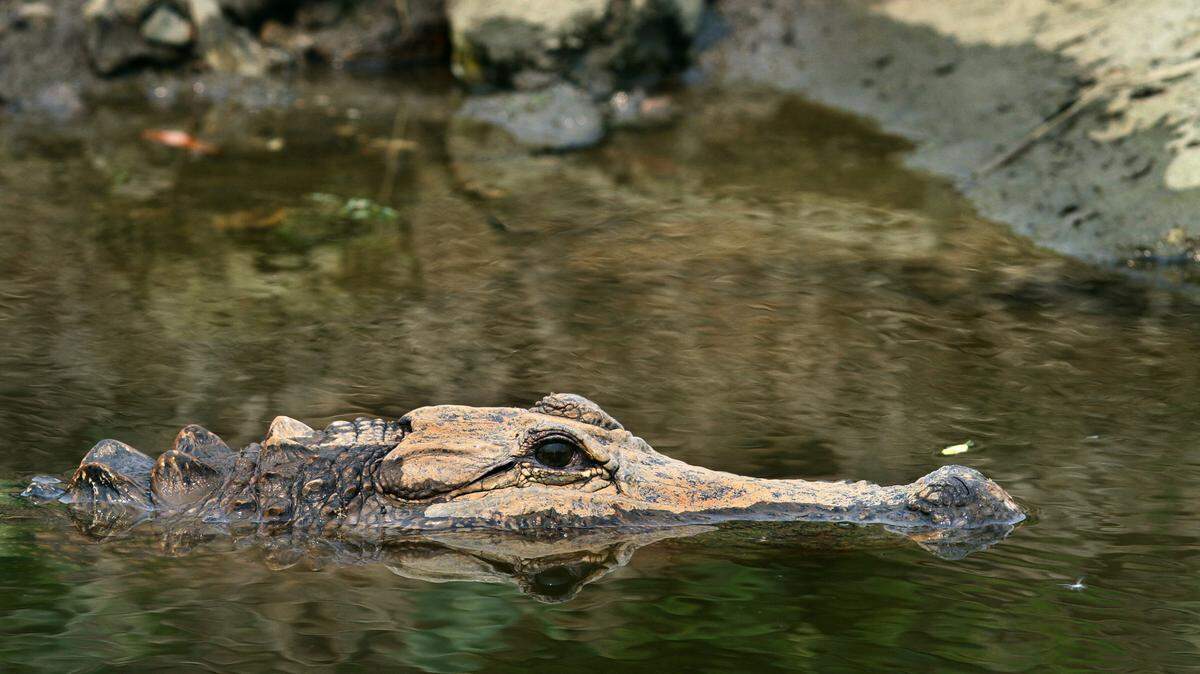
When news broke that the first detainees arrived at President Trump’s newest detention facility in the Florida Everglades, dubbed “Alligator Alcatraz,” there were significant and vastly polarized reactions.
In fact, there has been a lot of discourse about the detention center from both sides of the aisle, and aside from its early “operational issues,” the tactic of using alligators and pythons to guard the grounds is getting most of the attention.
With so much talk about prisoners getting eaten or attacked by alligators, it leaves some people wondering if alligators are really all that dangerous.
The alligator situation in Mississippi
For many Mississippi residents, alligators, and snakes, for that matter, are a real part of the ecosystem here. The state’s rivers, lakes and wetlands are all known habitats for these reptiles, and it’s not unusual to spot an alligator in places like the Pearl River or even in suburban ponds.
According to the Mississippi Department of Wildlife, Fisheries, and Parks, the state is home to an estimated 32,000 to 38,000 American alligators, with populations found in 45 of Mississippi’s 82 counties. Mississippi ranks among the top states for alligator populations, trailing only Louisiana, Florida, Texas and Georgia.
Alligators are a protected species in Mississippi and typically make their nests in swamps, marshes, rivers and even golf course ponds. If you live near any kind of water in Mississippi, there’s a good chance you could encounter an alligator at some point.
Are alligator attacks common?
Not really. Mississippi has an extremely low rate of alligator attacks on humans.
According to available data, attacks are exceedingly uncommon, averaging well below one per year. Aside from a few reports of alligator encounters, which everyone survived, there has been no fatal alligator attacks reported in more than a decade.
What to do during an alligator encounter
Here’s what the DNR says NOT to do:
Don’t feed it. That turns a wild animal into a problem animal. Feeding gators is illegal for a reason.
Don’t try to pet it. This seems obvious, but it’s more common than you think.
Don’t let your pets or kids wade near ponds in known gator zones. Gators can mistake small animals for prey.
Don’t assume small equals safe. A 3-foot gator can still pack a major bite, and they are very fast.
If you come across an alligator that has become aggressive, you should not try to handle it on your own. The Department of Natural Resources will intervene and Mississippi has a nuisance wildlife program, which removes gators over four feet in length that are posing a danger to people or property.
Your odds of being attacked by an alligator are lower than your odds of being struck by lightning or bitten by a rabid raccoon. The takeaway is that if you leave them alone they will most likely leave you alone.
What are your opinions about using alligators as an escape deterrent? Have you ever seen an alligator behave strangely? Email me at srose@ledger-enquirer.com or find me on social media.