MS Health Department reactivates patient transfer system for those needing critical care
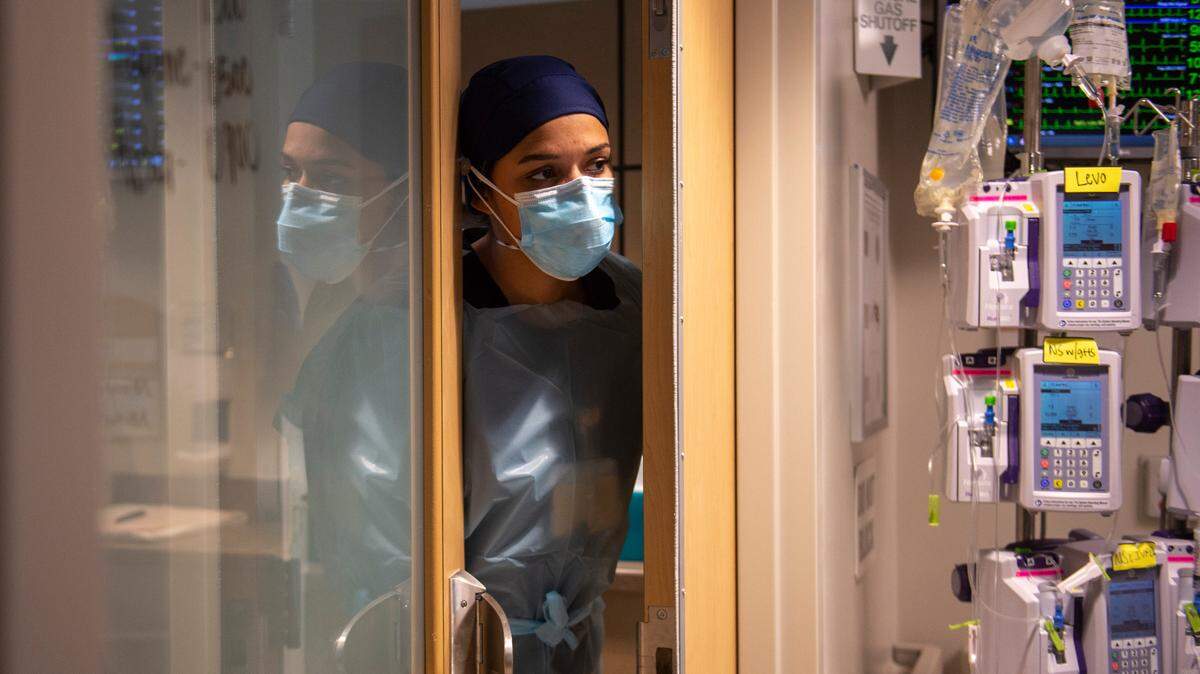
The Mississippi State Department of Health on Tuesday reinstated its mandatory hospital patient transfer system due to the burden the omicron variant has placed on smaller hospitals around the state.
The COVID System of Care Plan requires that patients in rural hospitals who need critical care services that cannot be accommodated by smaller hospitals must be transferred to larger facilities through Mississippi Med-Com, the state’s central system that coordinates all ICU-level care.
The plan is mandatory for all licensed hospitals beginning at noon Tuesday through Jan. 23, unless revoked earlier.
This includes heart attacks, strokes, immediate neurosurgical interventions (such as a severe car accident), transplant patients with complications and ventilated COVID-19 patients at a hospital without an ICU, respiratory therapy or a ventilator).
On Tuesday, following a reported 16,484 new cases from the weekend, Mississippi saw 5,737 more COVID cases and 20 deaths. MSDH said the system of care reactivation was ordered, in part, because of challenges rural hospitals are facing.
“Due to the current wave of COVID-19 and limited ICU availability, and the inability of ill patients in rural areas to access care, MSDH is activating this Limited System of Care Plan,” a MSDH press release said.
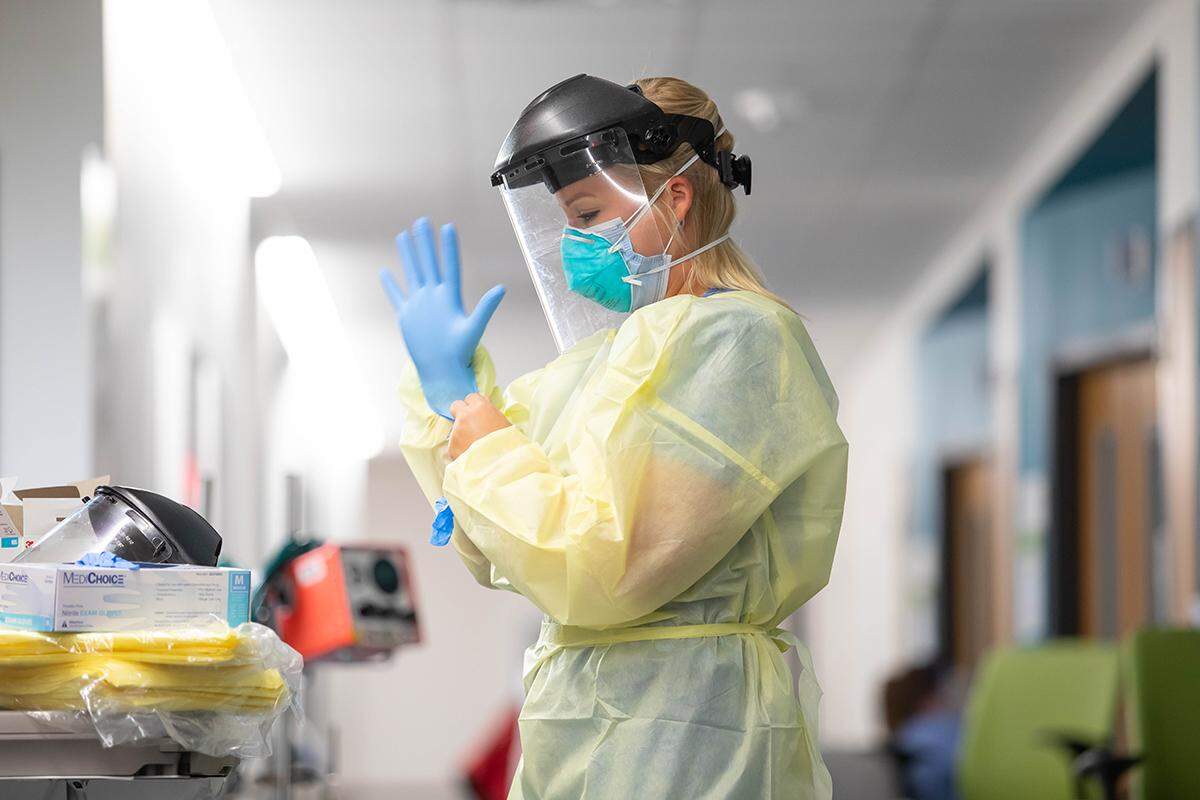
“All Mississippi hospitals must participate in the plan to allow the most critically ill patients to be transferred for care while not overburdening any hospital.”
The University of Mississippi Medical Center runs Med-Com. Hospital leaders during a press conference Tuesday said that while hospitalizations lag behind surging positivity during the fifth, omicron wave, stress on Mississippi hospitals is exorbitant while staffing shortages are critical.
The best way to curb the omicron wave is to get vaccinated, UMMC COVID-19 incident commander Dr. LouAnn Woodward said.
“I wish I had answers. But the answers kind of continue to be the same thing: We encourage people get vaccinated, we encourage people to have a booster, we encourage people to wear masks, we encourage you if you are sick to stay home and stay away from others. What we’re seeing with this new barrier is a very infectious version of this virus, the infectivity is very high,” she said.
This article is supported by the Journalism and Public Information Fund, a fund of the Gulf Coast Community Foundation.
This story was originally published January 11, 2022 at 3:36 PM.