Will natural immunity protect me against a 2nd COVID infection? What Coast experts say
South Mississippians should get a COVID-19 vaccine even if they’ve already survived the virus, health officials say.
Natural infection, or the development of antibodies from previously having COVID, is weaker protection against the virus than vaccination, which national, state and local officials still say is the best and most effective defense.
“Natural immunity from the infection is extremely variable, depending on the amount of exposure you have. So if you have a mild case of infection, you don’t get a huge antibody response. If you get a severity of infection, then yes, you do get antibody responses,” Singing River Health System pulmonologist Dr. Ijlal Babar said.
“But conversely … you’re assured that you’re going to get a good antibody response with the vaccine.”
Still, misconceptions that natural infection is comparable or better protection against the virus is a leading reason why Mississippi Gulf Coast residents are hesitant to get their shots.
During a recent live Q&A at Singing River Health system held for their staff members who are still vaccine-hesitant, the topic of natural immunity versus vaccination surfaced a number of times, according to a spokesperson.
Memorial Hospital at Gulfport certified nursing assistant Megan Jordan has gotten COVID twice she said, which is one of the many reasons she’s resisting the shot.
“I have several reasons why I could get a medical exemption,” Jordan said as to why she was combating the vaccine before a federal court recently blocked the mandate for health care employees. She said she thinks her immunity from having the virus was strong enough to allow her to evade the shot.
“I got (COVID) January of 2020. The first time. And then the second time, I just had it recently, again of August of this year.”
Natural immunity does exist, but vaccination is stronger
Getting COVID does generate an antibody response that offers natural protection from catching the virus again, according to the Mayo Clinic.
Both natural infection and vaccination result in a low chance of reinfection with a similar variant of the virus for at least six months, the Minnesota-based health system said, but the Centers for Disease Control and Prevention still recommends that people who have already had COVID get their vaccine.
“I’m not discrediting natural immunity. If you’ve had COVID, and it’s documented that you developed antibodies, You may have some protection but we don’t know for how long,” Chief Medical Officer of Singing River Health System Dr. Randy Roth said.
But vaccination offers better protection from getting sick.
“It just makes sense to get the vaccine on top of that to give you added protection. We have had breakthrough cases but the most severe and the highest mortality in the highest hospitalized patients are unvaccinated patients and that’s clear.”
Only 36% to 38% of Singing River patients that have an active COVID infection developed antibodies at all, according to Roth.
“So there are a lot of patients who have had COVID that get tested for antibodies and it comes back negative.”
A November CDC study found that unvaccinated people who had a recent infection were five times more likely to be reinfected compared to those who were fully vaccinated and didn’t have a prior infection.
Vaccination provides a higher, stronger, and more consistent level of immunity against COVID hospitalization than infection alone for at least six months, the research found.
Research also suggests that COVID vaccines are more effective against variants.
The vaccine “is much better protection against variants than natural immunity,” Roth said.
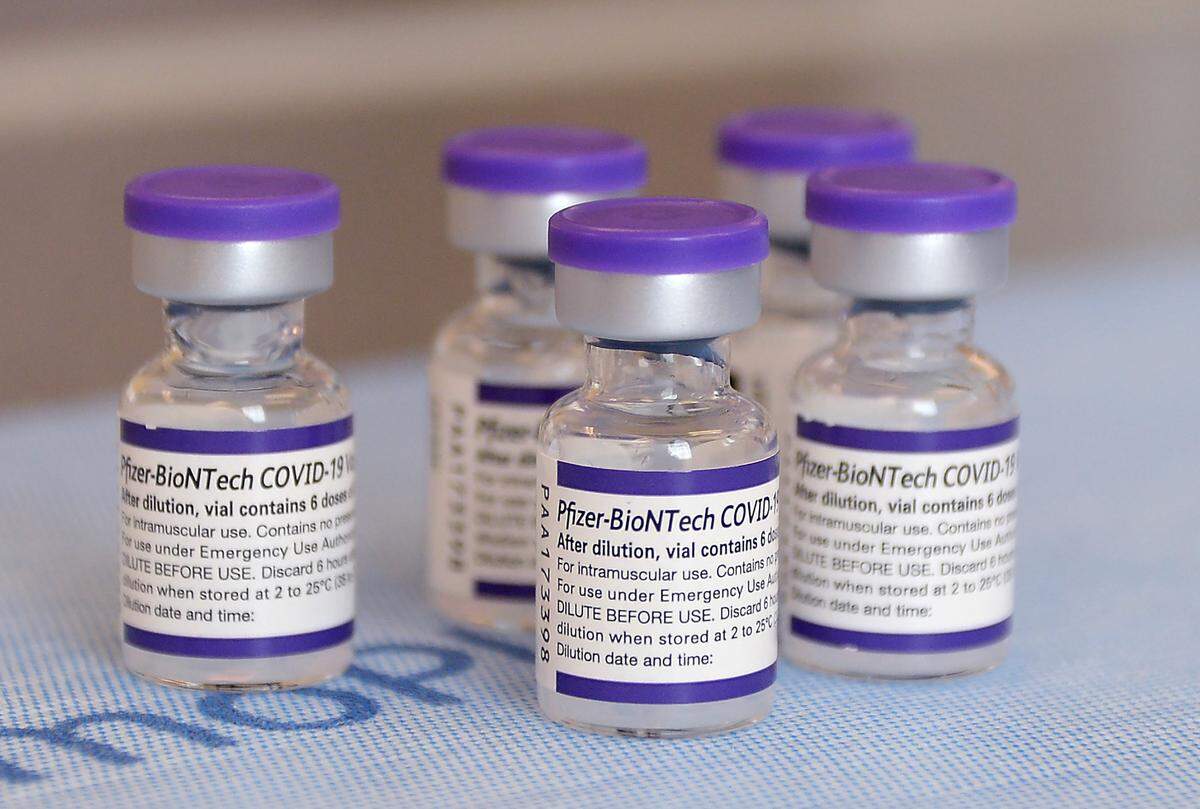
The vaccines seem to be effective prevention against the newly emerging Omicron variant, State Medical Officer Dr. Thomas Dobbs said in a recent press conference.
“Based on data from England and others … it looks like if you’ve had the booster dose, Pfizer looks like it’s about 75% (effective) at preventing illness,” said Dobbs.
You can get the vaccine right after having COVID
The vaccine is not only recommended after having had COVID but encouraged by health professionals because of the effectiveness of the layered immunity.
“The vaccine on top of natural immunity gives you an extra booster effect and prolongs your protection so I tell people, even if you have had it, the vaccine is indicated to take it on top of your natural immunity,” Roth said.
Health officials used to say that COVID patients needed to wait about 90 days after testing negative for the virus to get the vaccine, but Babar said patients can now “immediately” get their shots.
Only those treated for COVID with monoclonal antibodies need to wait 90 days before getting a COVID-19 vaccine.
“It used to be that you wait, but now the only people who need to wait are the ones who get the monoclonal antibodies,” he said. “Everybody else can get it immediately. They don’t have to wait for any period of time.”
The best defense against COVID is natural immunity mixed with vaccination, health officials say.
“The people who’ve had it and are vaccinated have the greatest (chance of fighting the virus,)” said Mark Horne, Mississippi State Medical Association president, said in a recent virtual discussion.
“Now we don’t encourage people to go out to get COVID on purpose, because then you’ve got to run the gauntlet of what COVID can possibly do to you and who you give it to. But if you’ve had it, please get vaccinated.”
Boosters are also important
Immunity also lessens over time from the point a body produces antibodies, Dobbs said, which is why receiving booster shots are important to improving community immunity as the pandemic progresses.
Everyone ages 18 or older are eligible for a booster six months after they’re fully vaccinated, and children ages 5 and up can receive the two-dose Pfizer vaccine.
This article and live event is supported by the Journalism and Public Information Fund, a fund of the Gulf Coast Community Foundation.