Desperate for nurses, Coast hospitals offer big sign-on bonuses during MS COVID crisis
Mississippi hospitals desperate for nurses and respiratory therapists are offering sign-on bonuses and other pay incentives during the worst COVID-19 surge the state has seen.
Meanwhile, the Mississippi State Department of Health has requested a Disaster Medical Assistance Team for a field hospital in the parking garage at University of Mississippi Medical Center, that state’s largest hospital. UMMC does not have the personnel to staff the 50-patient unit, which should open Friday, a UMMC news release says.
As of Wednesday, 14 children were hospitalized with COVID in Mississippi and seven were on ventilators, and that doesn’t include kids sent out of state, State Health Officer Dr. Thomas Dobbs told the Gulf Coast Business Council on Thursday morning.
“We have overwhelmed our hospitals to be able to care for Mississippians,” said Dr. Claude Brunson, executive director of the Mississippi State Medical Association.
In addition to full ICUs statewide, hospitals lack the staff to care for so many Mississippians, most unvaccinated and succumbing to the highly contagious delta variant of COVID-19.
Both Singing River Health System and Gulfport Memorial Hospital are offering incentives, representatives said. The sign-on bonus for a nurse at Singing River is $15,000, while Memorial is offering up to $15,000, plus up to $7,500 for respiratory therapists.
Memorial also is paying up to $80 an hour for contract nurses and hiring contract respiratory therapists.
Singing River CEO Lee Bond on Thursday drafted a letter asking that residents implore state leaders to provide front-line health-care workers with 25% of the $1.8 billion in federal COVID relief funds allocated under the American Rescue Plan.
He said the money, which would go to workers, not hospitals, “may be enough to pay almost $20,000 as a retention payment to bedside nurses, respiratory therapists, and other critical caregivers inundated with out-of-state contract offers.”
Competition stiff for nurses
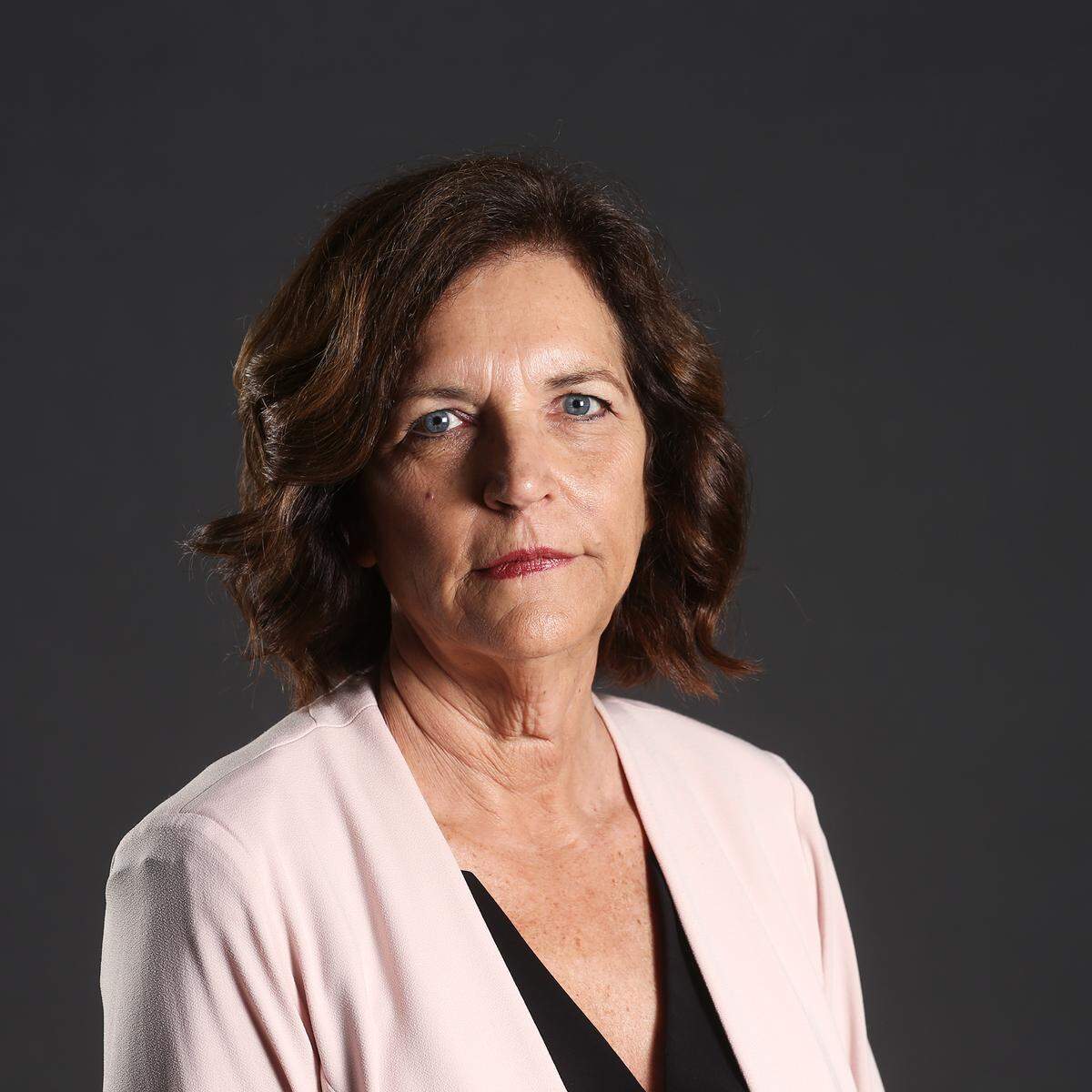
Coast hospitals are having a hard time competing with major metro areas such as Atlanta and Birmingham for medical professionals, Duffey said.
“Everywhere in the region is giving astronomical sign-on bonuses for nurses right now,” she said. Sign-on bonuses of up to $60,000 are being offered in some neighboring states, she said.
She said nurses also are being lost to traveling contracts.
“If nurses have a chance to make $100 an hour for six to 12 weeks, why wouldn’t they?” she asked. “It’s crippling health systems that are already suffering from a nursing shortage.”
She compared nurses leaving the state to “brain drain” in Mississippi, where young people leave for better economic opportunities.
Low vaccine rate filling hospitals
But that’s not the only problem. Burnout and COVID-19 infections also are claiming health care workers.
“You know what we’re seeing now is preventable,” Brunson said. “It takes a human and psychological toll on those folks who are trying to care for them.”
Brunson was referring to the state’s low vaccination rate.
The latest statistics from the Mississippi State Department of Health, show the following percentages for unvaccinated individuals from July 15 through Wednesday:
- 98% of cases
- 90% of hospitalizations
- 84% of deaths.
COVID-19 illnesses are another reason for the nursing shortage, Brunson said. While about 96% of physicians are vaccinated, he said, only about 50% of other health care workers have been vaccinated.
“What some hospitals and businesses are looking at is you have to be vaccinated or you have to wear a mask and be tested once or twice a week,” Brunson said. “At the end of the day, our health workers shouldn’t be the source of the virus coming inside a facility and infecting the patients.”
Only 36% of Mississippians are fully vaccinated, compared to a national average of 50%. The number of vaccinations in Mississippi is increasing as younger residents fall sick and die from the virus.
The number fully vaccinated in South Mississippi counties is even lower than the state as a whole. Harrison County has the highest vaccination rate at 31%, while the rate is lowest in Hancock and Pearl River counties at 24%.
Nurses, respiratory therapists suffering burnout
Brunson said some nurses also are leaving the field because of burnout as the COVID-19 pandemic drags on. Mississippi saw its first COVID-19 case on March 11, 2020.
“We just don’t have enough nurses, particularly, to take care of those high-intensity cases,” Brunson said. “It’s burning them out. The wear and tear of taking care of patents who need such high-intensity care is becoming a problem.
“Basically, it’s just wearing them out.”
Younger, critically ill patients are increasing the load for nursing and respiratory staff, Duffey said, as they succumb during this fourth wave of COVID-19 fueled by the delta variant.
“They don’t deteriorate as quickly as older generations have in the past,” she said. “ICU beds are going to be tied up for quite some time.”
This story was originally published August 12, 2021 at 1:21 PM.