
Without family for months, Coast care center residents learn to FaceTime during COVID
It’s been nearly six months since nursing homes, rehabilitation centers and other facilities caring for the elderly have had to shut their doors to visitors and families.
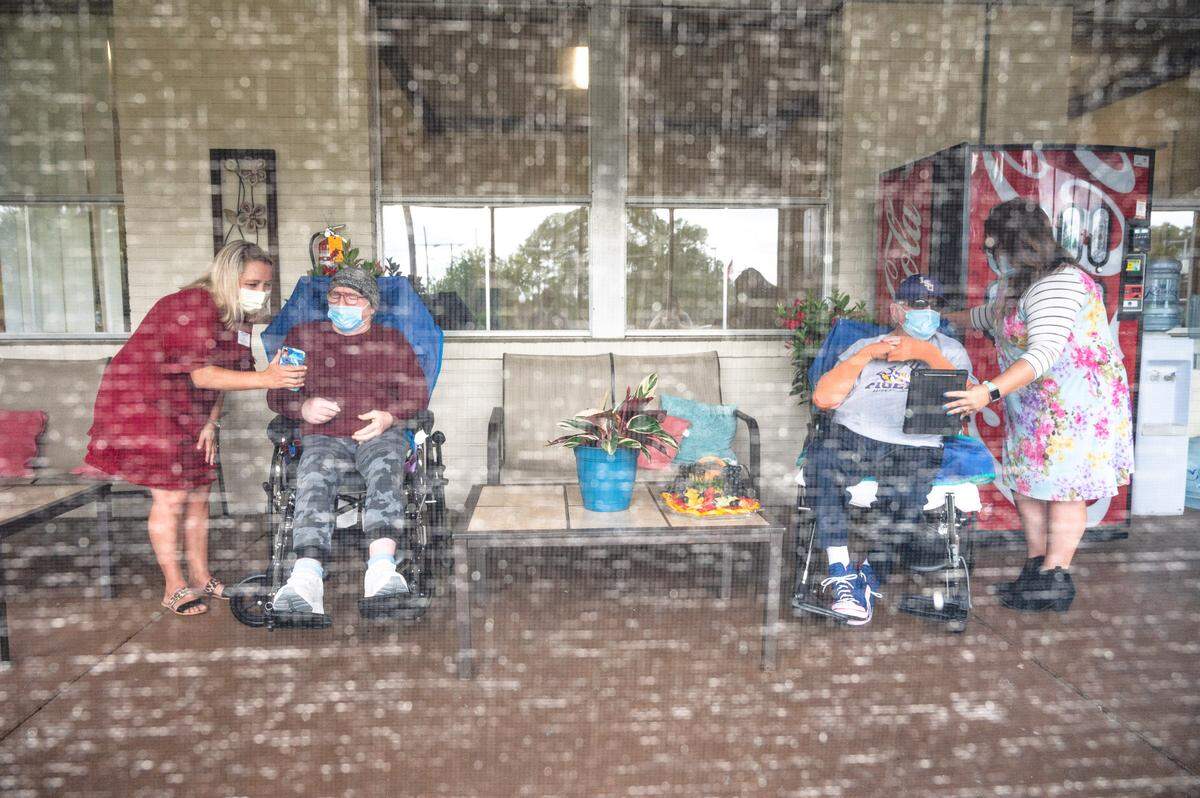
At Ocean Springs Health and Rehabilitation Center, they rely on technology and socially distant visits through windows.
Six days a week, residents can schedule FaceTime calls for residents or window visits with loved ones.
They have to refuse in-person visits and deliveries — even the Sun Herald’s interviews were done from outside the fenced-in patio to help protect residents.
Administrator Mary Ann Loiselle said she believes these precautions have helped keep their residents and patients safe and prevented a COVID-19 outbreak.
“We’ve been blessed, we’re hoping to continue that trend,” Loiselle said.
With no visits or trips from outside the walls of the center, the staff has gotten creative with activities to help keep a social atmosphere.
“We still have a lot of fun. We do a lot of activities like hallway dancing to keep spread apart and hallway bingo with big bells for everyone to ring.”
“We’ve had a lot of laughter where there could have been a lot of sadness,” Loiselle said. “It’s hard on the outside, but we leave that at the door and put smiles on our faces to help them enrich their lives.”
Staff has also helped residents learn how to video chat. She said the virtual visits throughout the week have made a big impact.
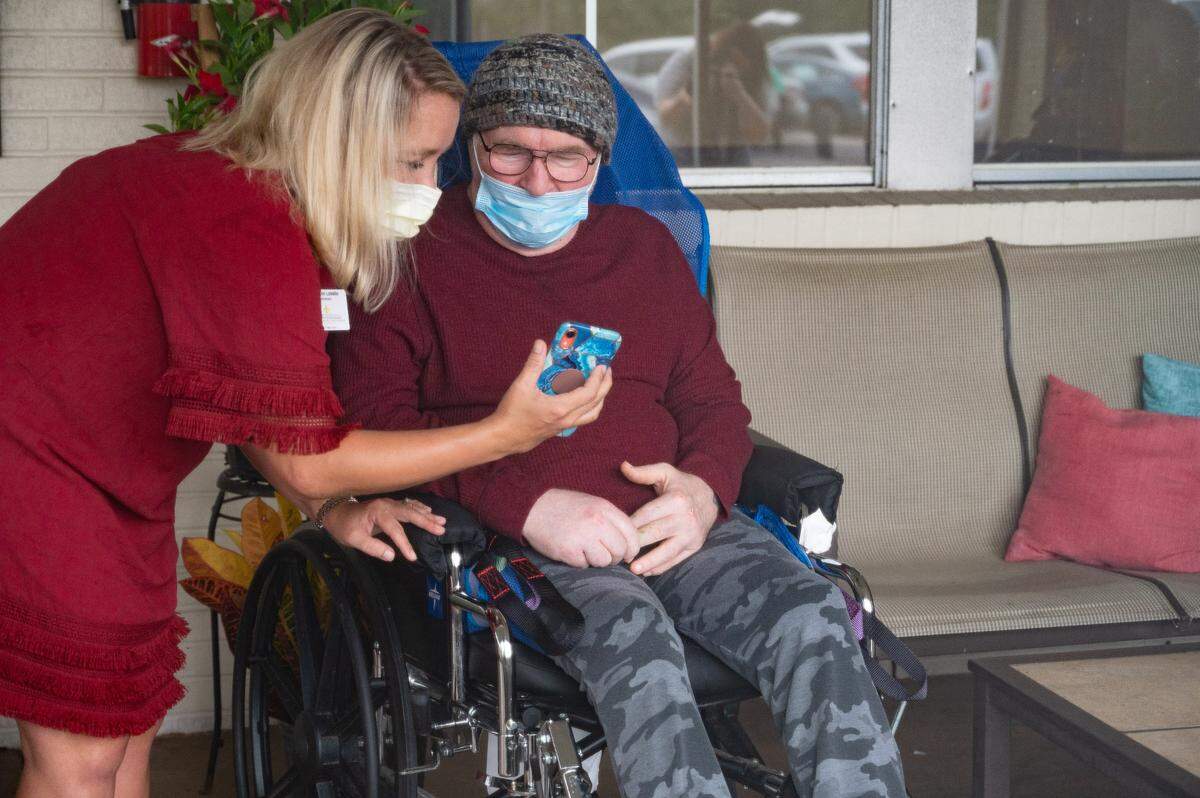
“It’s amazing to see the difference, we’re dealing with a population who never used an iPhone or owned an iPad. We’re watching them learn and get excited about it,” Loiselle said. “At the beginning, we didn’t have all that access, and it’s made a huge difference. The use of technology has been life-changing.”
Tommy Cummings, who is originally from Amory, contracted polio when he was 13 months old. He’s had it all of his life. He came to Ocean Springs Health and Rehabilitation Center while his wife, Margaret, recovered from a back surgery.
“We were in a perfect storm this year,” Cummings told the Sun Herald. “We had to do something with me, because she couldn’t take care of me like she has the past 51 years.”
Cummings said it’s hard to be apart from the girl he met when he was just 17 years old — he had to court her in her parent’s dining room to win her father’s approval. But he said the secret to their more than 50 years of love is persistence.
“It’s hard to be apart. She’ll be 70 in February, I’m 72, and I’ve known her since I was 17. I don’t know what I’d do without her,” he said. “We promised each other that each day we be better than the last. A week after her surgery she came and visited me. We used to make googly eyes through the window visits, then she taught me about FaceTime.”
The Cummings used to only video chat about three times a week until Tommy got his own cellphone. Now they call each other multiple times a day after staff at the rehab center helped him learn how to use it.
“I’d never used It,” he said. “I said ‘Well this is good!’ I can look at her (his wife) and I know by her expressions when I’ve done good, and boy I can really tell when I’ve done bad. When she hears something she’ll call me. If something concerns me, or I’m lonely I’ll call her from morning to bedtime.”
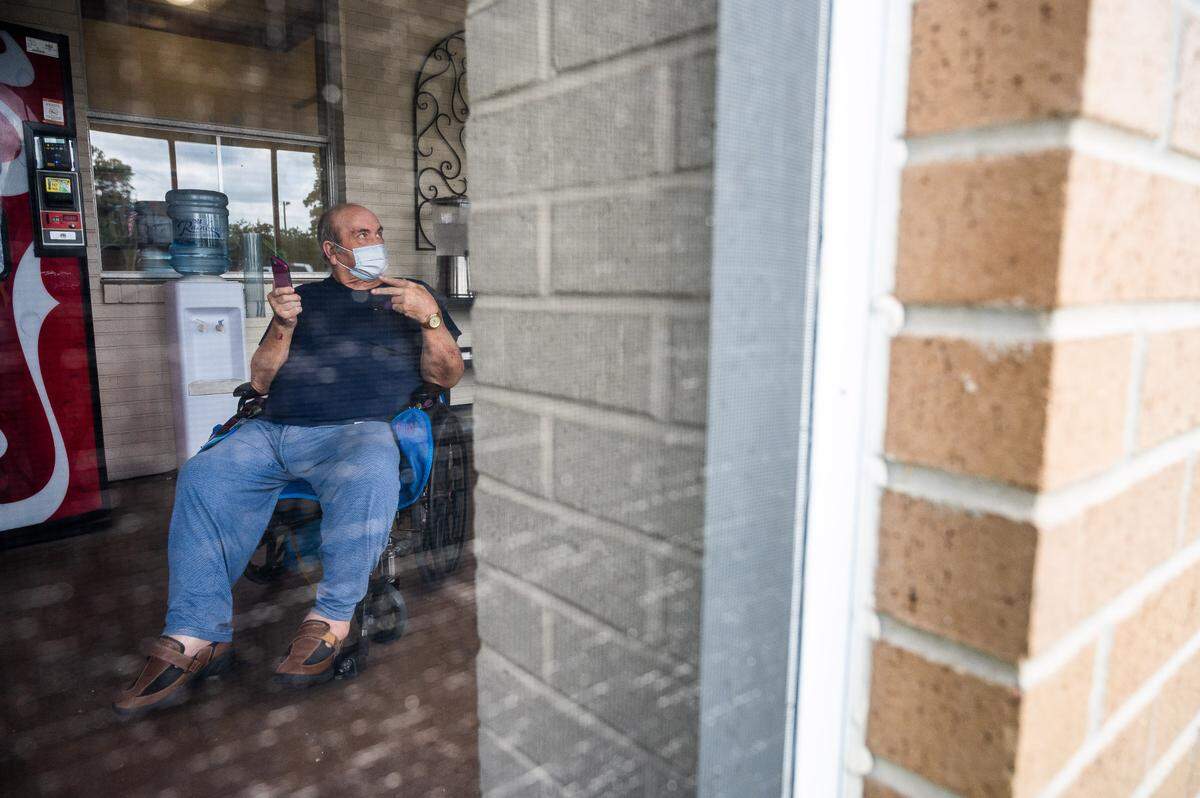
Through technology he’s not only been able to see his wife, but recently was able to meet was his niece’s baby while they’re living in Japan and can keep up with all of his family.
Although Cummings can’t have those visits in person, he said he’s thankful the center is doing all it can to keep him and the other residents safe. He said he takes COVID-19 very seriously and hopes others do too.
“It’s harder as an adult because you realize what can happen,” Cummings said. “When you’re a child, you don’t always appreciate what can happen. That’s the difference to me personally.
“I would take a polio again as a child if I could be okay. The pandemic scares me.”
Loiselle said that all the employees, nurses and doctors at the rehabilitation center are dedicated to taking care and protecting their patients and residents even if it means making their own sacrifices.
“Many of us self-quarantine while we’re at home because we know what can happen,” Loiselle said, becoming emotional at the thought. “You have to always be thinking about the patients no matter where we are. But it’s like family here and we take care of each other.”
This story was originally published August 23, 2020 at 8:00 AM.