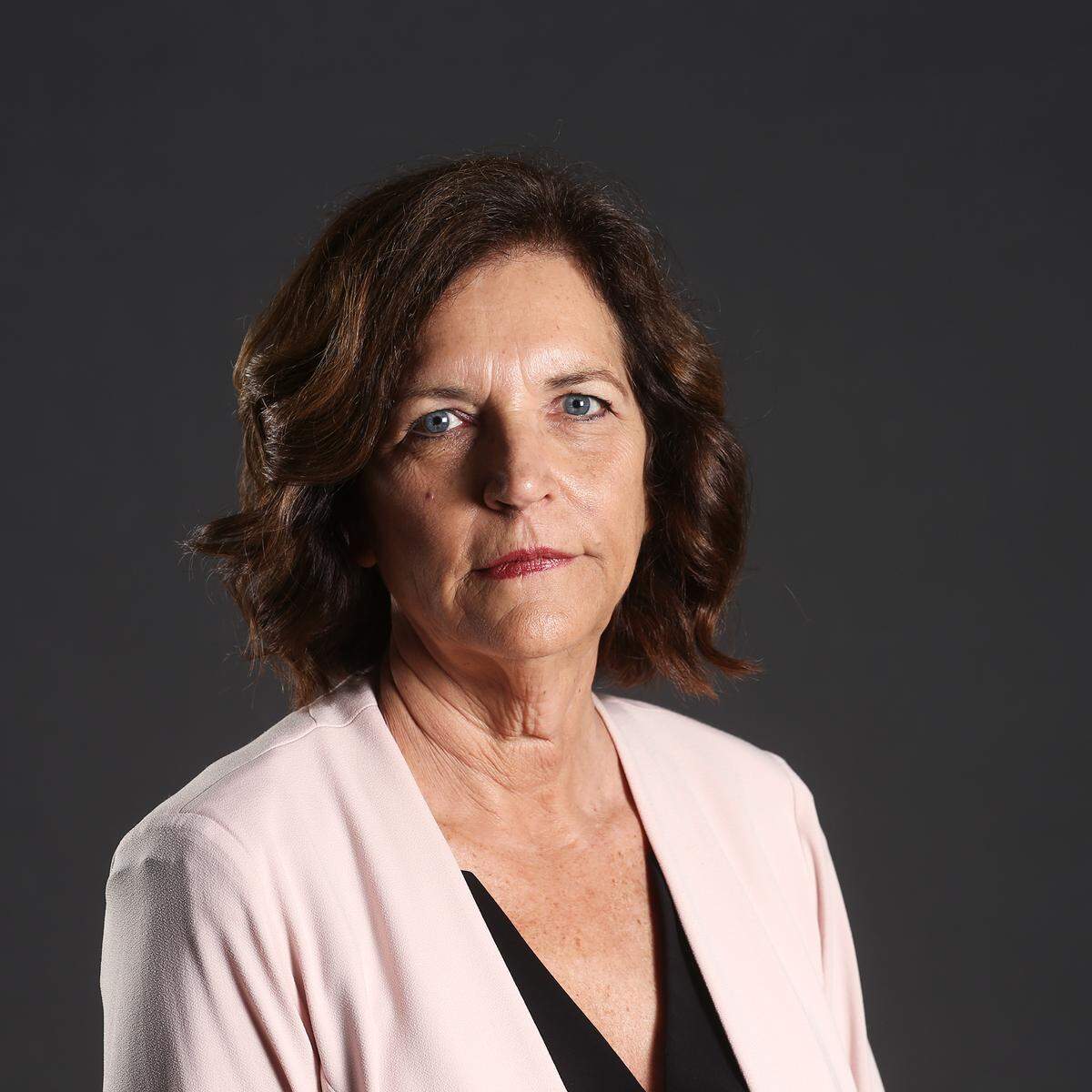
Who is Dr. Dobbs? Meet the man behind the mask leading MS through the COVID pandemic.
Dr. Thomas Dobbs is doing his best to care for Mississippi’s 3 million residents during the COVID-19 pandemic, his medical colleagues say, noting nobody possesses a better medical background and temperament for the state health officer’s job.
After years of budget cuts, Dobbs faced the pandemic of a century with diminished resources at the Mississippi State Health Department, state Legislative Budget Office budgets show, and health districts whittled from nine to three.
But he marshaled his forces early on and conceived a plan to curb the novel coronavirus.
He has the full backing of the 5,000-member Mississippi State Medical Association, its leaders say. But many residents, including Mississippi Gov. Tate Reeves and members of the state Legislature, failed to heed the doctor’s advice, eschewing masks until cases ran rampant and hospitals overflowed.
Not until Aug. 4 did Reeves issue a statewide mandate for masks, something the MSMA recommended July 14 and more than 30 states had previously adopted. By then, the state had one of the highest rates of COVID-19 spread and deaths in the nation.
Ultimately, Reeves decides how far the state will go in mandating most public safety measures to control COVID-19. If Dobbs and Reeves disagree on the governor’s decisions, they do so in private.
For example, Dobbs said in a video conference recently aired by the MSMA that the White House recommends closing all bars and limiting restaurants to 25% capacity where the rate of COVID-19 spread is high.
“We haven’t gone that far,” Dobbs said. “But, you know, there’s this sort of constant back-and-forth between economic interests and health interests. Obviously, I’m more on the health side and other folks are on the business side, so we’re always trying to find that balance.
“I think that the virus is winning right now, though.”
Because of high COVID-19 infection rates, Dobbs and the MSMA recommended delaying the start of school until September. But Reeves pressed ahead with school reopenings last week, delaying in only eight counties with rapid spread, none of them on the Coast.
Those who know Dobbs say he will persist.
Professionally, colleagues say, he is one of the most respected public health officers in the country.
His temperament also is suited to his role as the state’s leading public health voice. As a manager, he collaborates rather than dictates. As a leader, he persuades instead of criticizing.
Dobbs is an exceptional listener, whether talking to patient or peer.
Even as many Mississippians fail to heed his repeated public health warnings and cases skyrocket, Dobbs stays calm and delivers a consistent message: wear a mask in public, socially distance, avoid crowds and wash your hands.
He uses plain language, as opposed to medical jargon, in daily news briefings with Reeves viewed by thousands of Mississippians.
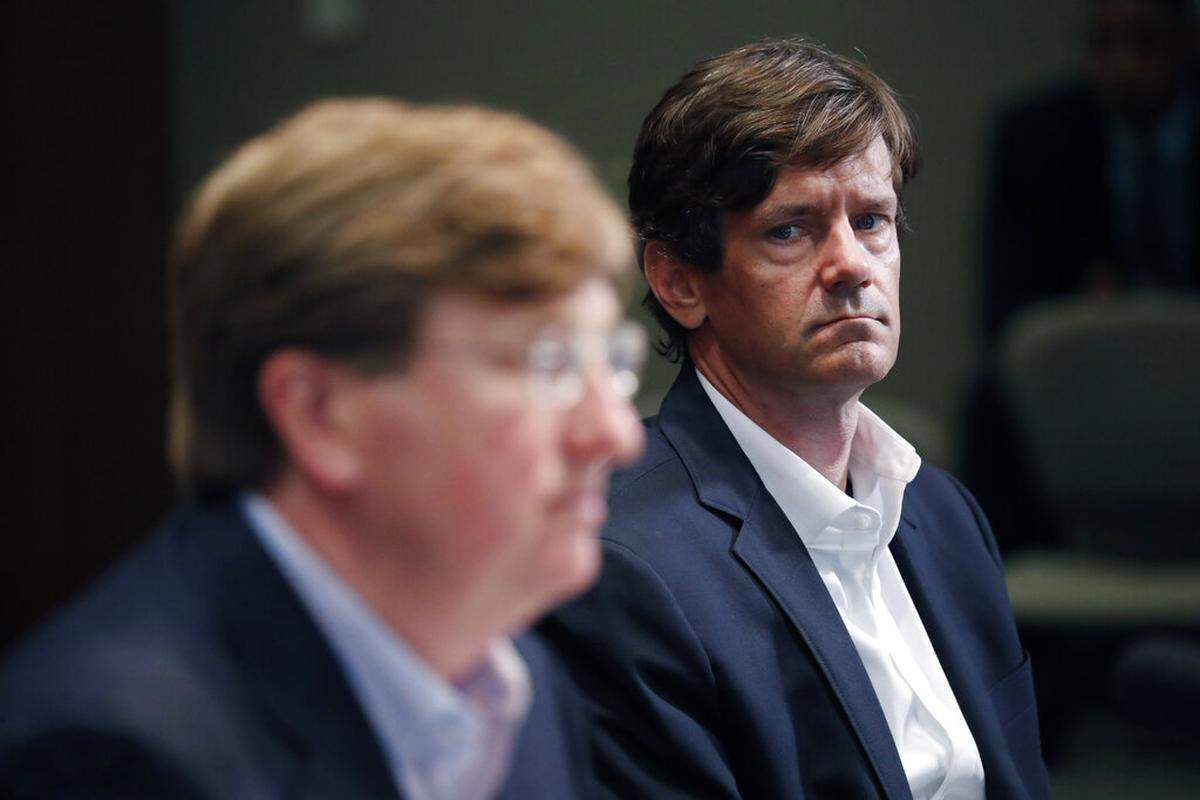
Dobbs refuses to be drawn into political debates over masks, wonder drugs or other medically uniformed opinions about the novel coronavirus.
Instead, without losing his temper, he pivots to facts and peer-reviewed medical studies.
“I think Thomas was made for such a time as this,” said Dr. Mark Horne, an internal medicine physician who worked with Dobbs for years in Laurel. “He’s wonderful about building consensus but staying on task. He has the courage of his convictions.
“He’s a bulldog when it comes to doing what’s right, and he knows what’s right. He’s well-versed; he’s well-spoken.”
“ . . . Every person in the state of Mississippi is his patient, and that’s how I believe he looks at it. He’s trying to take care of his patients.”
Dobbs was drawn to public health
Dobbs, who was born in the small city of Haleyville, Alabama, was drawn to public health early on. After earning his medical degree from the University of Alabama School of Medicine at Birmingham in 1996, he completed a master’s in public health and epidemiology, followed by fellowships in infectious disease and a residency in internal medicine.
During his residency, he worked on both domestic and global tuberculosis programs.
“Always with unmatched politeness, Dr. Dobbs was quick to assume responsibility for addressing a problem situation and coming back with solutions,” said Dr. Michael Kimerling, a former UAB professor who led the effort. “And he always approached it as a team player; he mixed very well with our eclectic group of international staff in Birmingham.”
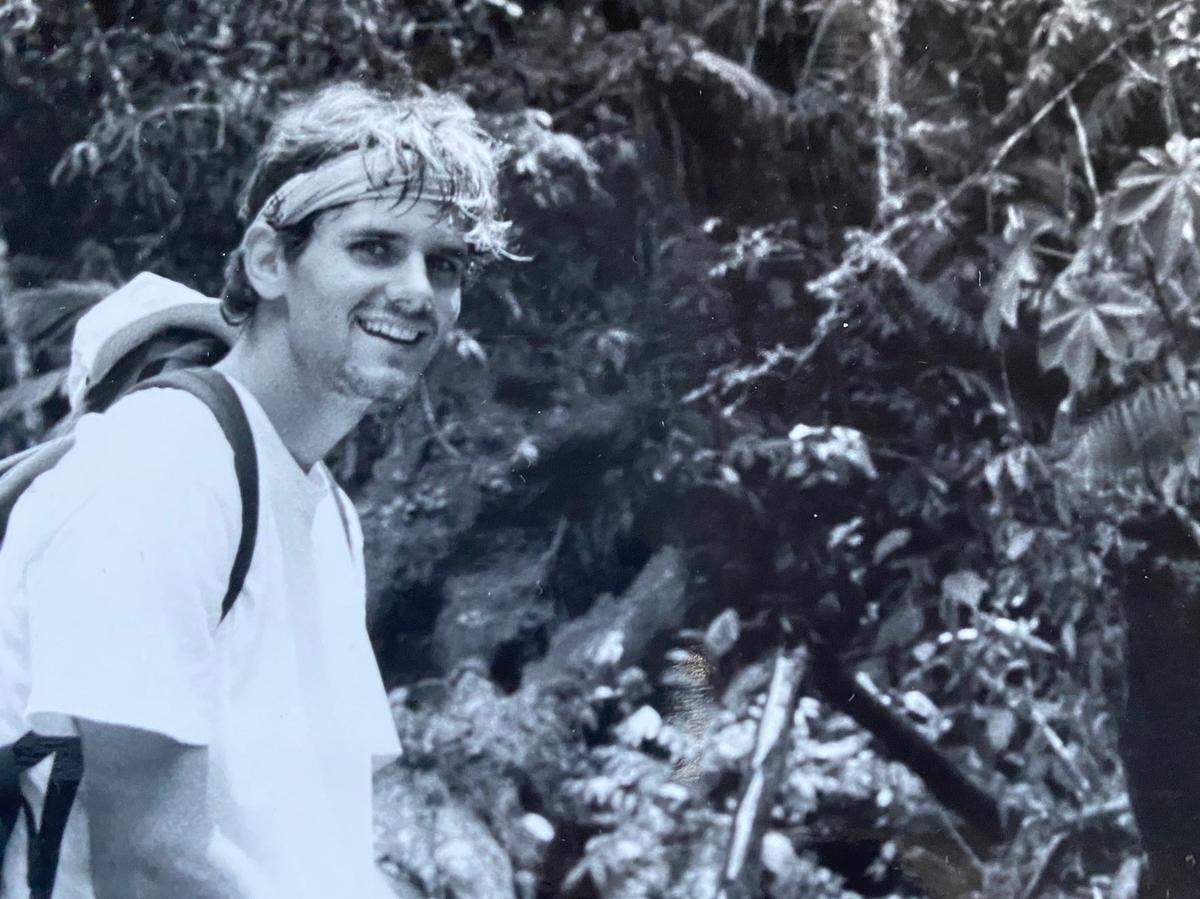
The Mississippi State Department of Health said Dobbs would be unavailable for an interview because of his packed pandemic schedule.
Long hours are baked into a doctor’s education and training. Dobbs is no exception. He and his wife, pulmonologist Kim Dobbs, met their first year of medical school and married during spring break of their second year.
She said she admired the way Dobbs balanced his studies and personal life. While others crammed for an exam, she said, he went for a bike ride.
They had finished medical school and were working on fellowships when they decided to take a break and accepted jobs in 2001 at Jefferson Medical Associates in Laurel, Mississippi. They have remained in Laurel, she said, because it was a wonderful place to raise their two sons.
They eventually returned to complete their fellowships, Kim Dobbs said, commuting between Birmingham and Laurel.
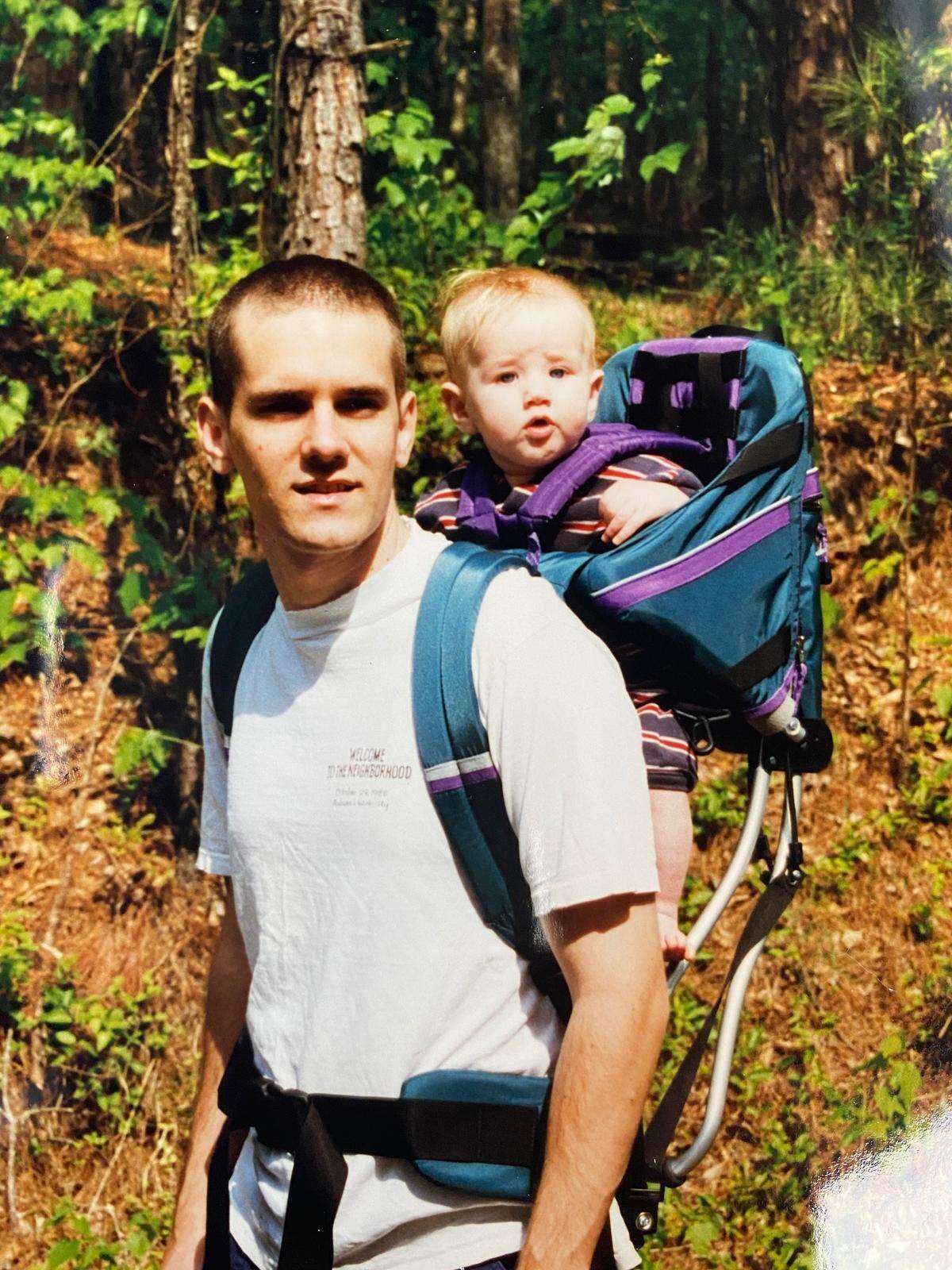
Kim Dobbs still works in Laurel at South Central Regional Medical Center, where she is medical director of the intensive care unit. The couple meets up most nights in Laurel or Jackson, where they own a condominium.
Thomas Dobbs has exceptional skills with patients, Horne said. Horne was offended on Dobbs’ behalf when he saw someone on social media call Dobbs a bureaucrat who did not know how to take care of real patients.
“Clearly, people who think that don’t know Thomas and have never met him,” Horne said. “He is a consummate physician. He’s the kind of guy, if I had an infectious disease, I would be thrilled if I had Thomas take care of me.”
Working in the field
Dobbs accepted his first full-time job with the state health department in 2008, working as a regional health officer based in Hattiesburg.
Buddy Daughdrill, a former health department administrator, met Dobbs before he went to work full-time at the agency. Dobbs was working under contract with the health department to help nurses manage tuberculosis patients while still practicing medicine in Laurel, Daughdrill said.
“He was very knowledgeable, even back then, in his practice with infectious disease control,” Daughdrill said.
He also noted Dobbs’ skills with patients and the public after he became district health officer.
“He had a great ability to communicate with patients,” Daughdrill said. “He could talk to anyone at the level they were on. He was able to very much simplify medical issues to where patients and the pubic could understand what he was communicating.
“I think he also really cares about people.”
As health officer, Dobbs learned all aspects of the operation, working in the field with nurses caring for tuberculosis patients, going along with environmentalists on restaurant inspections, focusing on public health campaigns to combat everything from HIV/AIDS to opioid addiction.
“He worked very closely with the nurses and the other staff that were working in those programs,” said Daughdrill, who was serving as the first executive director of the Mississippi Health Association by the time Dobbs joined the health department full time. “It wasn’t like, ‘I’m the doctor.’ He saw it more as a team approach and he is still that way.”
While Dobbs was a district health officer, Daughdrill said, a man who had tested positive for tuberculosis went missing. The health department wanted to find him before he spread the contagious disease. The man was spotted at Walmart. Daughdrill said Dobbs went to pick up the patient, got him something to eat, checked him into a motel and counseled him about his illness.
“He was like the man’s doctor, trying to get him to comply and take his medicines and do the things he needed to do to not spread tuberculosis,” Daughdrill said.
“. . . So, he is trying to do the same thing today with his big-picture information on what people need to do to protect themselves and their families and community.”
Multi-tasking during COVID pandemic
By the time the novel coronavirus hit Mississippi, which had its first case March 11, Dobbs was a veteran of public health campaigns, many of them undertaken after he was promoted in 2012 to serve as state epidemiologist.
There was West Nile virus, continued work on HIV/AIDs, childhood vaccinations, swine flu, lead poisoning, ebola and tobacco use in public places.
Dobbs returned for just under two years, beginning in September 2016, to work in Laurel as chief medical officer and vice president for quality at South Central Regional Medical Center. The work put him in a unique position to understand the pressures hospitals are under as COVID-19 patients flood in.
By July 2018, Dobbs had returned to the MSDH as the deputy state health officer. He was promoted to the top job in December 2018.
Dobbs has always practiced what he preached, his colleagues say. No matter how busy he is, he tries to exercise daily. Cycling is his favorite activity.
Dobbs and many of his staff members have not had a day off since March and he said in a daily news conference that it is unlikely he will get a break for the next year.

And yet he manages to work in that exercise. One night during the first months of the pandemic, health department communications director Liz Sharlot called Dobbs on his cellphone. He answered promptly.
She kept hearing water splash, she said. She wondered if he was bathing, but hesitated to ask. It turned out he was kayaking on the Ross Barnett Reservoir. He managed to answer all her questions, she said.
“I appreciate his intelligence, but also his ability to trust his leadership team to make their own decisions,” said Sharlot, who has worked with Dobbs for 12 years. He’s receptive to creative ideas for public ad campaigns, she said.
“He truly is a gem,” she said.
Never too busy for pandemic calls
His phone lights up constantly.
He is never too busy to take or return calls, or accept last-minute invitations that allow him to spread the message on COVID-19, said LouAnn Woodward, vice chancellor of health affairs and dean of the School of Medicine at the University of Mississippi Medical Center, which has partnered with the MSDH on drive-thru testing and works closely with its staff.
“He is busy,” Woodward said. “He is very, very busy, but he is always available. He is very responsive. He is open to ideas. I could not ask for a more collaborative, cooperative and communicative partner.
“I don’t feel like we have an exclusive hotline to him,” she said. “I don’t know when the man sleeps.”
He meets weekly with the Mississippi State Medical Association board and participates in many other briefings and conferences. And he is out in the field, just as he has always been. He has been in nursing homes and in counties experiencing COVID-19 outbreaks.
Dobbs leads by example. He always wears a mask in public.
He also warned Mississippians what was coming.
Early on, Dobbs worked with hospitals to ensure intensive care beds and ventilators would be available for the patients to come. He planned a “robust public health response,” based on extensive testing, labor-intensive outbreak investigations and shelter-in-place orders for communities with severe outbreaks.
Dobbs refuses to be drawn into politics
Dobbs is frustrated by the injection of politics into what should be a medically based, scientific approach to controlling the pandemic, his colleagues say.
In this red state, many Mississippians followed President Donald Trump’s example of refusing to wear masks. Some people even think the virus is a hoax or a conspiracy to cost Trump re-election.
“He’s been very prescient,” said his colleague Dr. Horne of Laurel, president-elect of the Mississippi Medical Association. “I talk to him quite regularly. I know that he is disappointed in how this has become political.
“What is straight up medicine and science has become political for so many. I know others have made it political, but he never has.”
“People try to draw him into these political fights, which is not what he does.”
‘Please, coronavirus is out there’
Dobbs has always looked younger than his age. At 50, he has a thick head of brown hair and a trim, athletic build.
“We always joke with him, ‘Now, don’t let the crisis catch up with you and make you look your biological age,” said Dr. Claude Brunson, executive director of the state medical association.
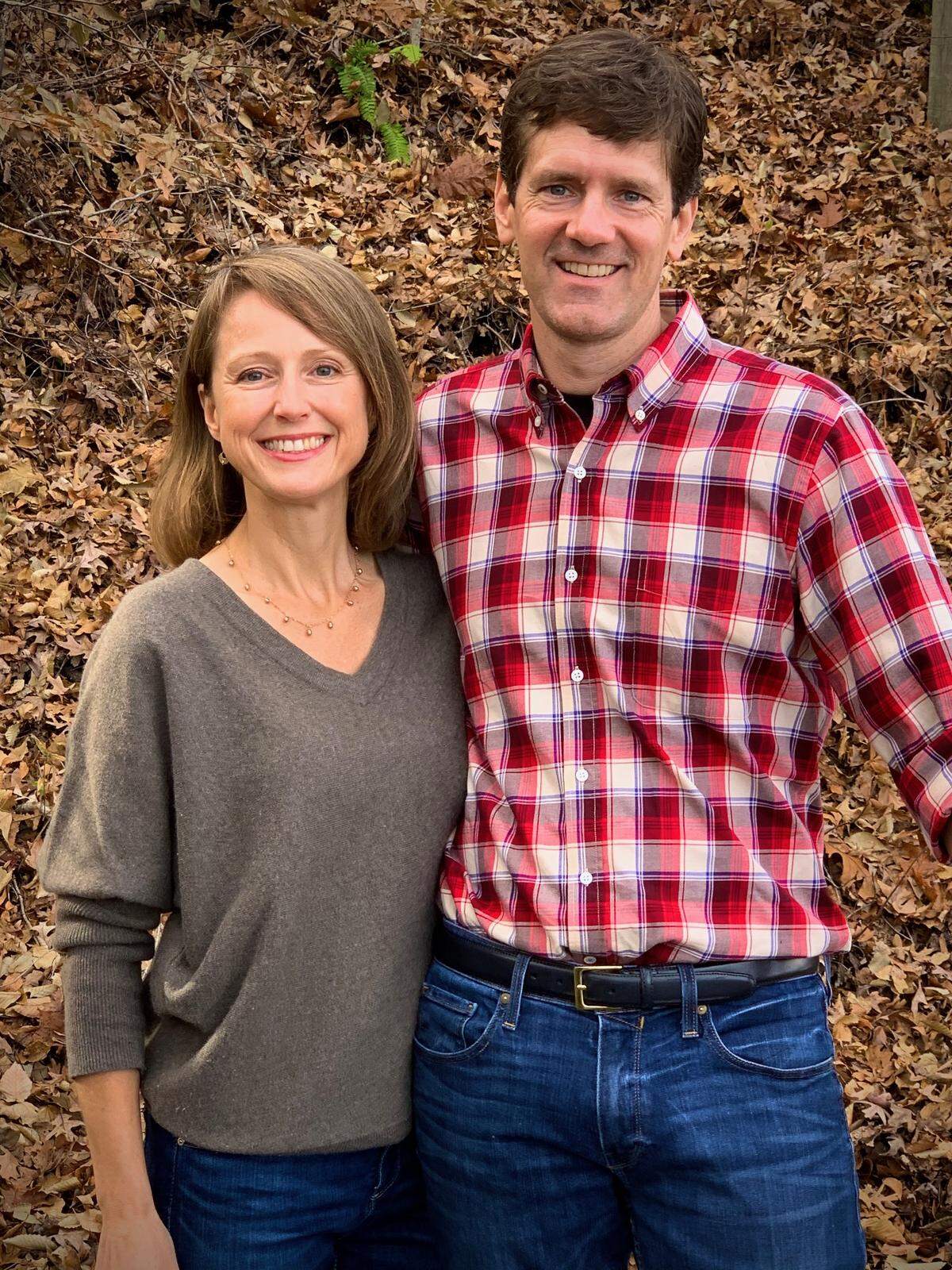
The circles under Dobbs’ eyes have deepened and darkened as the pandemic has burgeoned, putting Mississippi in the top tier of states in crisis.
Yet, he doesn’t lecture his patients. Instead, he counsels his fellow Mississippians to follow public health advice:
“Please, coronavirus is out there,” he said during the news briefing with Reeves on May 18, when cases had climbed to a statewide total of 11,432, with 528 deaths. “My head is sore from banging it on the wall. Wear a mask, social distance, don’t do mass gatherings and certainly follow the rules. You don’t want to see me up here with a bruise next time.”
But patients don’t always listen to their doctors. They should, his colleagues say, because Thomas Dobbs is an honest man who has never let them down.
“It’s just painful for people to make something so basic, so simple, political,” Dr. Horne said. “It’s just sad and it’s heartbreaking for me and other physicians who are trying to do the right thing.
“It’s hard to have people reject what is such a clear and basic truth.”
Dr. Kimerling, who worked with him for so many years on tuberculosis, said: “He won’t stop just because the problem seems enormous — that only riles him up more to find a path forward.”
This story was originally published August 10, 2020 at 5:00 AM.