
What? Red, white and blue plants?
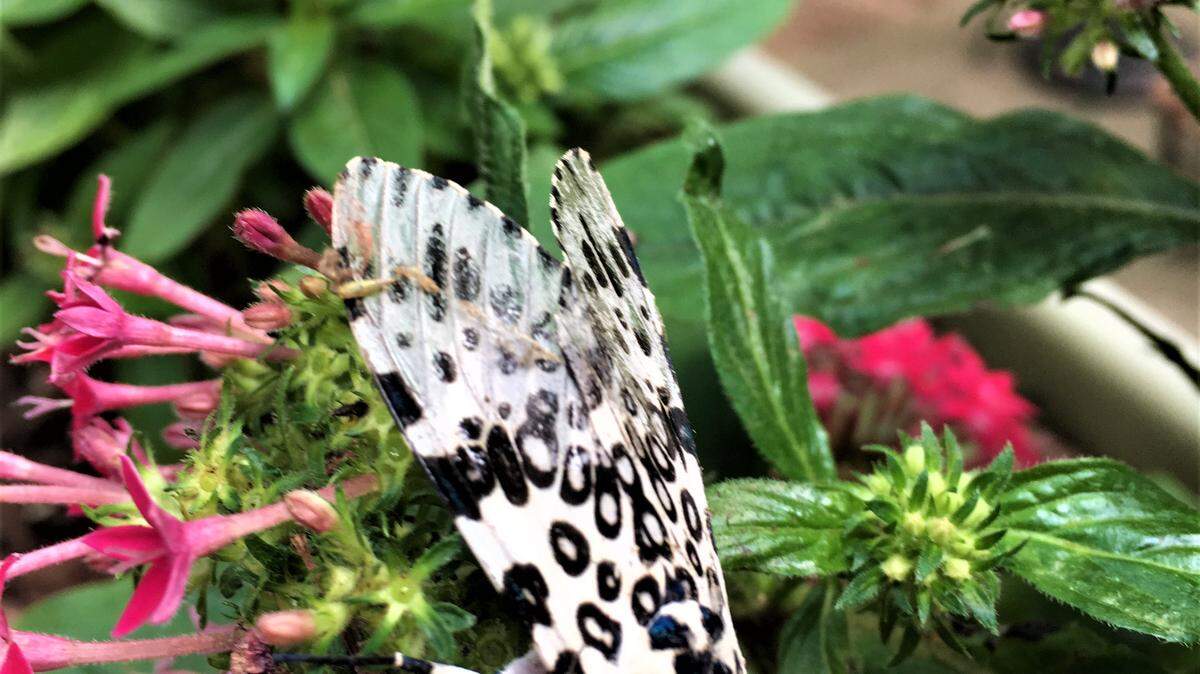
Can you reach far back enough into your science class brain to define “angiosperm?”
Hint: This has to do with pretty things of many sizes, shapes, colors, tastes, scents and uses.
Angiosperms are plants that have flowers and produce seeds enclosed in an ovary or carpel. They are everywhere, from the pentas blooming in your garden in Bay St. Louis to the fruit you pick from the blueberry farm in Vancleave to the rose blooming on the Gulfport median. They are the Live Oaks beautifying my Biloxi property, the tomato in D'Iberville and the peach plumping out in Perkinston.
An estimated 362,000 species of angiosperms inhabit Earth, making up about 90 percent of our plant life. What is left is likely a gymnosperm which has a naked seed and is often a soft wood, such as bald cypress or pine.
Angiosperms are just about anything we lump into the “flower” category, but also herbaceous shrubs, grasses, hardwoods and fruit trees. They give us timber, medicine, food, clothing fiber and so much more that is important in our everyday lives. Flowers, flowers, everywhere!
When Earth was young, say 145 million years ago, angiosperms were already everywhere. Fast-forward and we find evidence that flowers have been “used” as far back as the Neanderthals of 35,000 years ago, evidenced from pollen found in their burial caves in northern Iraq.
The earliest use of flowers is thought to be therapeutic. These angiosperms became the first medicines of humans but their variety and beauty also gave them significance for rituals, beautification and to express feelings from sadness to joy. Think about it: Every art from known to man – writing, painting, sculpture, tapestries, pottery, music -- has depicted flowers.
Cultivated roses scented Asian gardens more than 5,000 years ago, and Romans used their petals as confetti. Aztecs used dahlias to treat epilepsy. West Coast Native Americans used delphiniums to make blue dye. Egyptians decorated ceramics with daisies. Greeks made ceremonial crowns of carnations. Japanese emperors sat upon the Chrysanthemum Throne.
Lilies are mentioned in both the Old and New Testaments. Friends of the wife of English King James I challenged Queen Anne to make lace as beautiful as the flower. Persian poets sang the praises of tulips. When the French King Napoleon married Josephine, she wore violets. Medieval monks believed holly kept away evil spirits. Gladiolas represented the Gladiators.
And so goes the history of the angiosperm world, every flower, every plant, with its own story.
That's all the science lesson you will receive today. My brain is not into deep research and that's why you are not reading about Vachel Lindsay, as I had planned. We are officially 1 ½ weeks into summer and my thoughts are muddled from early heat. Here in Virginia, where I write this, we are in our second day of 105+ feels-like temperatures, and I hear its a ditto for the Mississippi Coast.
So Vachel, the early 20th century poet with a Coast education connection, will have to wait. In the name of flowers, I'm also sidelining patriotism, even though July Fourth is just three days away.
Growing up in a military family I can wax poetic about the meaning of God & Country, people who make the ultimate sacrifice and the thrill that never dies when I see Old Glory wave unencumbered. But I chose instead to tackle red, white and blue flowers, and every color betwixt and between.
In the last months of my mother's life, she would tell us, “If you're going to bring me flowers, bring them now while I can enjoy them, not for my grave.”
Mom, quite a gardener, always found a place for something blooming blue because that was my Dad's favorite flower color. My parents, and later my Biloxi neighbor Doris Knausz, instilled in me the idea of organic gardening, or at least using only absolutely necessary chemicals.
That's why I like bugs, which both eat and save angiosperms.
Ants on your tomatoes and milkweed blossoms? No problem. They're carting away the aphids. Mud dauber nest? No problem, especially if you don't like spiders, which they relish. Swallowtail caterpillars eating your fennel? They're beautiful, so share your bounty and forget the poison.
In these early days of summer I find myself studying the colors of the season, with so many angiosperms to appreciate for beauty and usefulness. They make me think of Georgia O'Keeffe, the American modernist painter noted for her vibrant, abstract flowers and this philosophy:
“When you take a flower in your hand and really look at it, it's your world for the moment. I want to give that world to someone else. Most people in the city rush around so, they have no time to look at a flower. I want them to see it whether they want to or not.”
Kat Bergeron, a veteran feature writer specializing in Gulf Coast history and sense of place, is retired from the Sun Herald. She writes the Mississippi Coast Chronicles column as a freelance correspondent. Reach her at BergeronKat@gmail.com or at Southern Possum Tales, P.O. Box 33, Barboursville, VA 22923.