They’re hip and specialized. But are South MS food trucks safe as restaurants?
AI-generated summary reviewed by our newsroom.
- Mississippi food trucks face same inspections and grading as restaurants.
- Operators must complete food safety training and meet sanitation standards.
- Lower startup costs make food trucks accessible alternatives to restaurants.
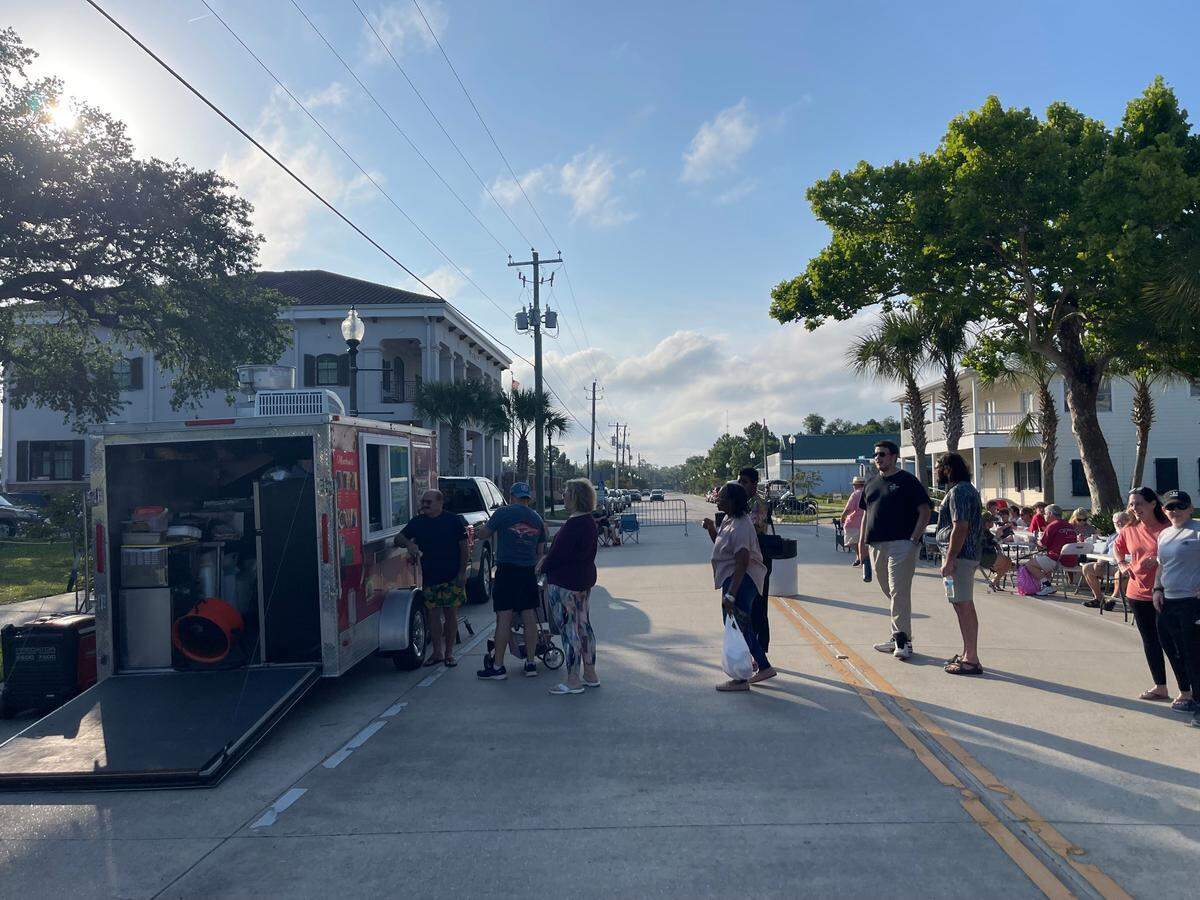
Food trucks are everywhere in South Mississippi — in parking lots, at festivals, food truck events and outside the shipyards and factories during meal breaks.
Customers who appreciate the variety of food the trucks offer also want to know that buying a meal or snack from a truck is as safe as eating at a brick-and-mortar restaurant.
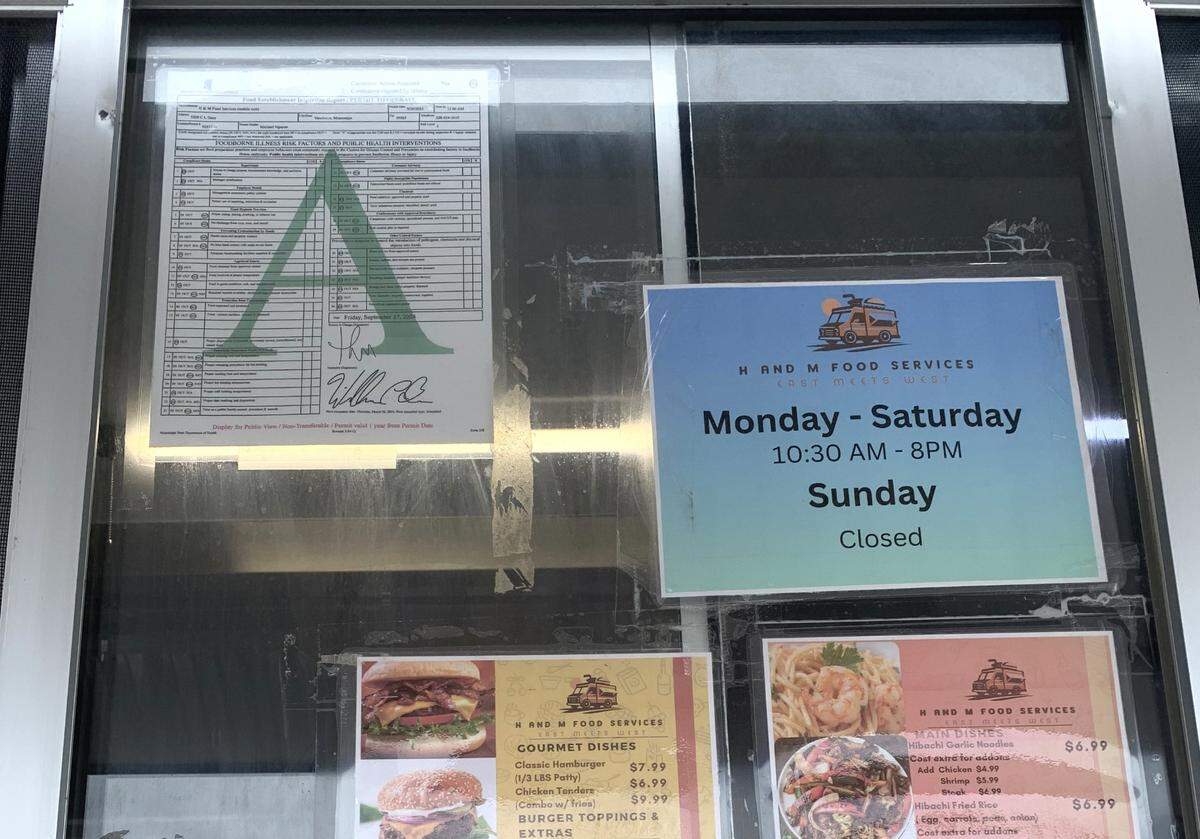
A big “A” is posted in the window of H and M Hibachi and Burger, a food truck set up in the parking lot of Burnham Drugs along Mississippi 57 in Vancleave. The A means the inspector found no violations and every restaurant and food truck is required to display the latest grade.
Just like restaurants, food trucks get inspected once or twice a year, according to the Mississippi Department of Health, depending on the risk level determined when the license is issued.
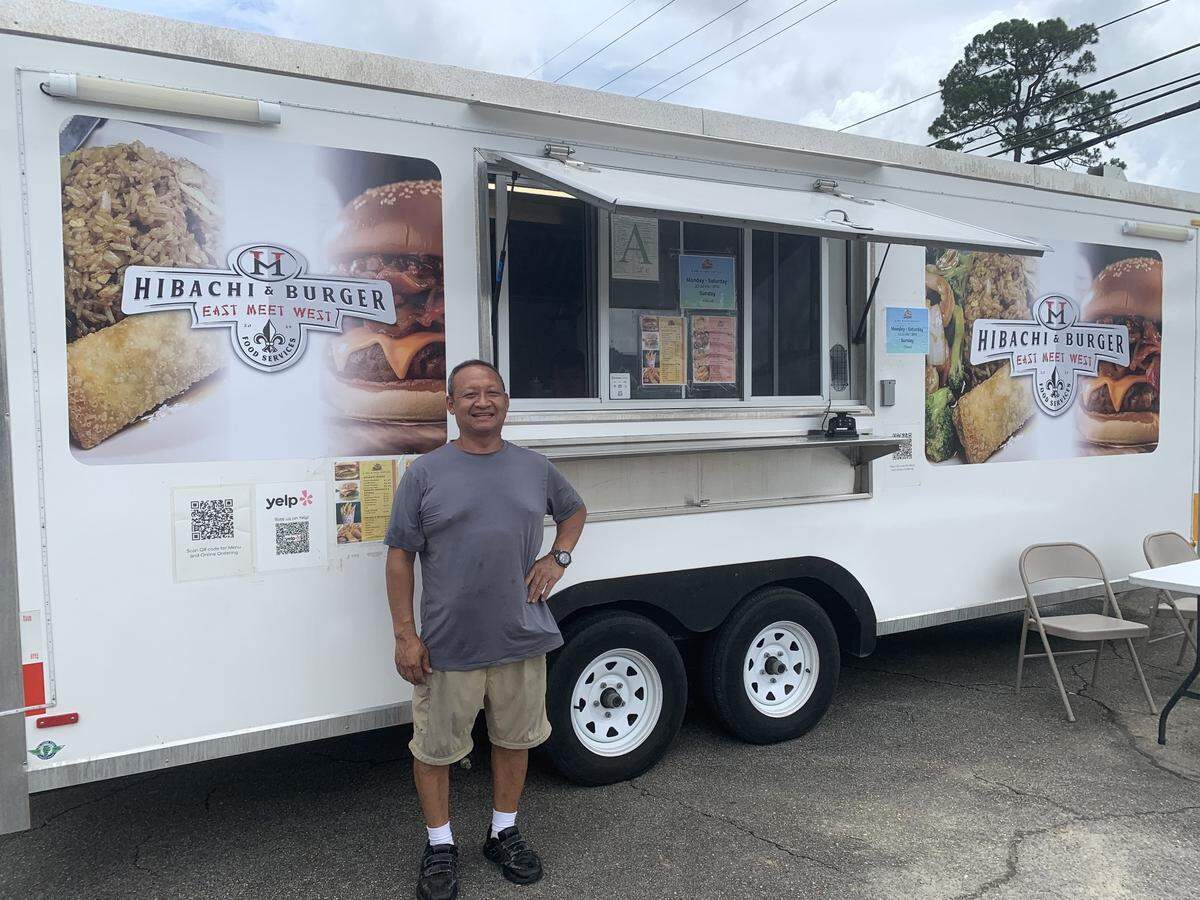
“Every single thing in here is new,” said Michael Nguyen as he stood beside his shiny food truck.
The inspectors still went through the entire truck, he said, to make sure the operation was clean and up to the health code. He also had to enroll in a certified food safety management course, which is required of the owner or manager at all Mississippi restaurants.
Surprise!
The same inspectors who drop in at all the restaurants and commercial kitchens in South Mississippi also visit food trucks looking for proper hot and cold holding temperatures, safe food handling and clean food preparation areas.
“They can show up unannounced anytime,” said Sara Pasquale of Gulfport.
She sets up her Pure Acai Bowls food truck — complete with tables, chairs and accessories — along Ocean Springs Road in the Rouses Market parking lot. Other days she moves to outside Memorial Hospital in Gulfport or is invited to festivals like the upcoming Fourth of July celebration in Ocean Springs.
She just got approved to sell on Keesler Air Force Base, and as thorough as the state health inspection is, she said the military base regulations are even more stringent.
She carries a portable generator to power the food truck that has separate water and wastewater supply and holding tanks.
Keeping the interior clean isn’t a problem, she said, because she wipes the counters after every order. Screens on the windows keep flies out and bring cooler air in. “It creates a breeze and makes it nice,” she said.
Since many restaurants have take-out windows and outdoor dining, it’s not that different keeping bugs away in a food truck.
“Open windows are not unique to mobile units as brick-and-mortar restaurants can have drive-through windows,” the health department said.
Less expensive, more specialized
It’s his dream to have his own restaurant, Nguyen said, but that would require $150,000 to $200,000 in startup fees.
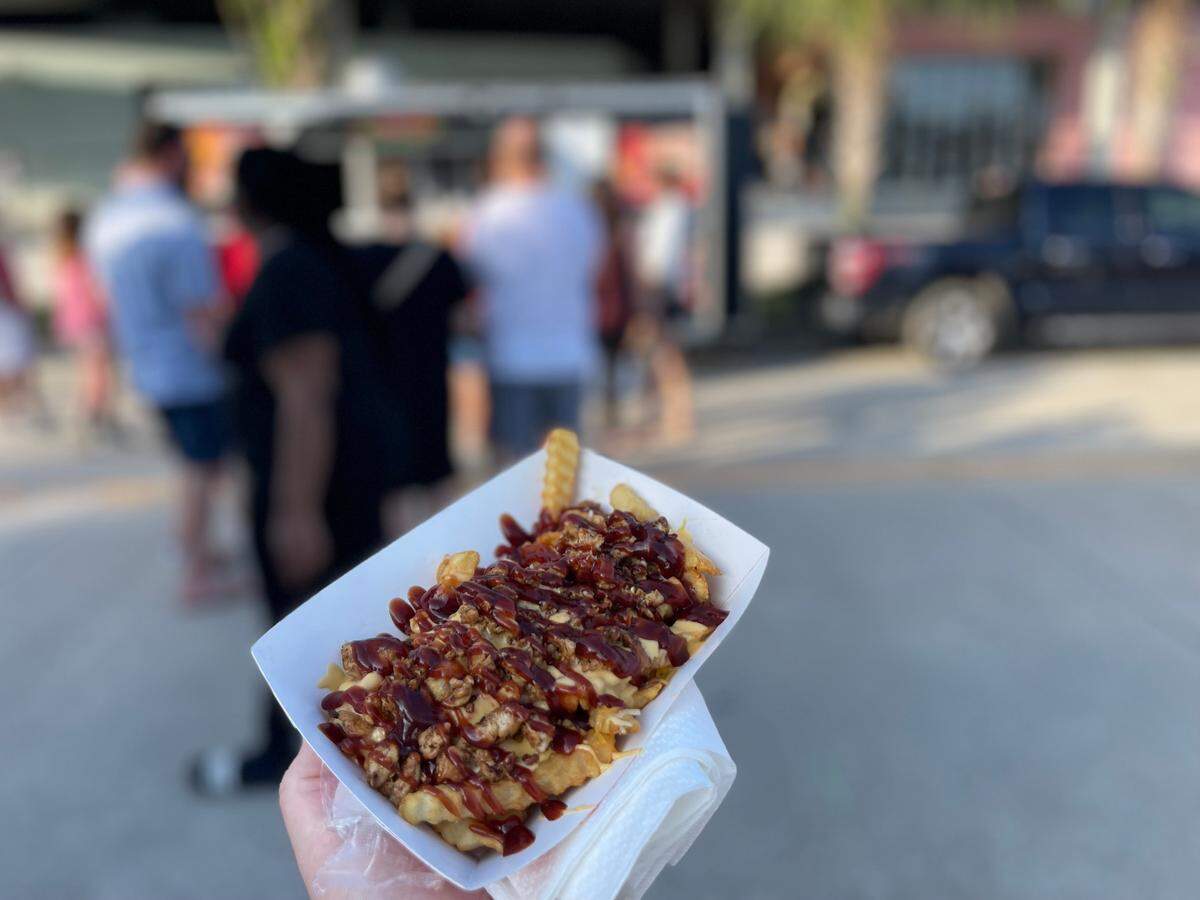
He spent about $60,000 to buy and equip his food truck and his theme of “East meets West” combines Asian and American cuisine. Burgers with a choice of toppings and hibachi fried rice with chicken, shrimp or steak are the best sellers on the menu that also features chicken tenders, hibachi vegetables and egg rolls.
He has a plug-in on the power pole where he parks the truck, so it’s quieter and powers all his appliances. This lets him put in longer hours — H and M is open 10:30 a.m. to 8 p.m. six days a week — close to their home in Vancleave. Sundays the family goes to church, shops for food for the next week, and deep cleans the hood, fan and entire food truck.
“It pays the bills,” he says.
“It’s a great way to start without the huge overhead,” Pasquale said. Food trucks are “a little more hip” and cultural, she said, and in her case, healthier than typical fast food. Customers build their own bowl with a base like acai or coconut, add peanut or almond butter for protein, choose three toppings and a drizzle of honey or Nutella.
She communicates with her followers on Facebook and Instagram to let them know where she’ll be set up each day, Pasquale said.
Nguyen has embraced technology, inviting regulars to scan a code he has posted on his truck so they can order ahead. He accepts credit cards and Apple Pay.
Inspectors work the list
Food trucks in Mississippi are required to get a mobile food facility permit and a public health permit/license from the health department and some cities also require a permit. Fees are the same for mobile and brick-and-mortar restaurants, from $40 to $264.50.
Food trucks can be inspected at the point of daily operation, at the servicing area where they are cleaned and loaded with food, or at temporary events, according to Adam Follett, retail food protection director for Mississippi Health Department.
Permits aren’t needed for one-day events. All other temporary events are inspected.
Food trucks typically must meet the same requirements as restaurants. The major differences involve mobile water and wastewater supply and storage.
“Most mobile units are not equipped to operate more than a few hours at a time,” he said, “so access to water and approved wastewater disposal is absolutely something that we address. Some mobile units have interchangeable water tanks that can be carried or rolled in and out. Others must return to their servicing area to be replenished. There are also some situations where water hook-ups are available, but wastewater must still be disposed of in an approved manner.”
These trendy eateries are the new version of mom and pop restaurants — on wheels.
This story was originally published June 26, 2025 at 5:00 AM.